Steel CNC Machining Service
Custom CNC milling and turning for carbon steel, alloy steel and tool steel prototypes and production parts. Typical rapid-prototype planning starts at 1–3 business days for eligible simple parts, while standard production commonly plans at 7–14 business days. CNC tolerances to ±0.001 in (±0.025 mm) can be reviewed for critical features.
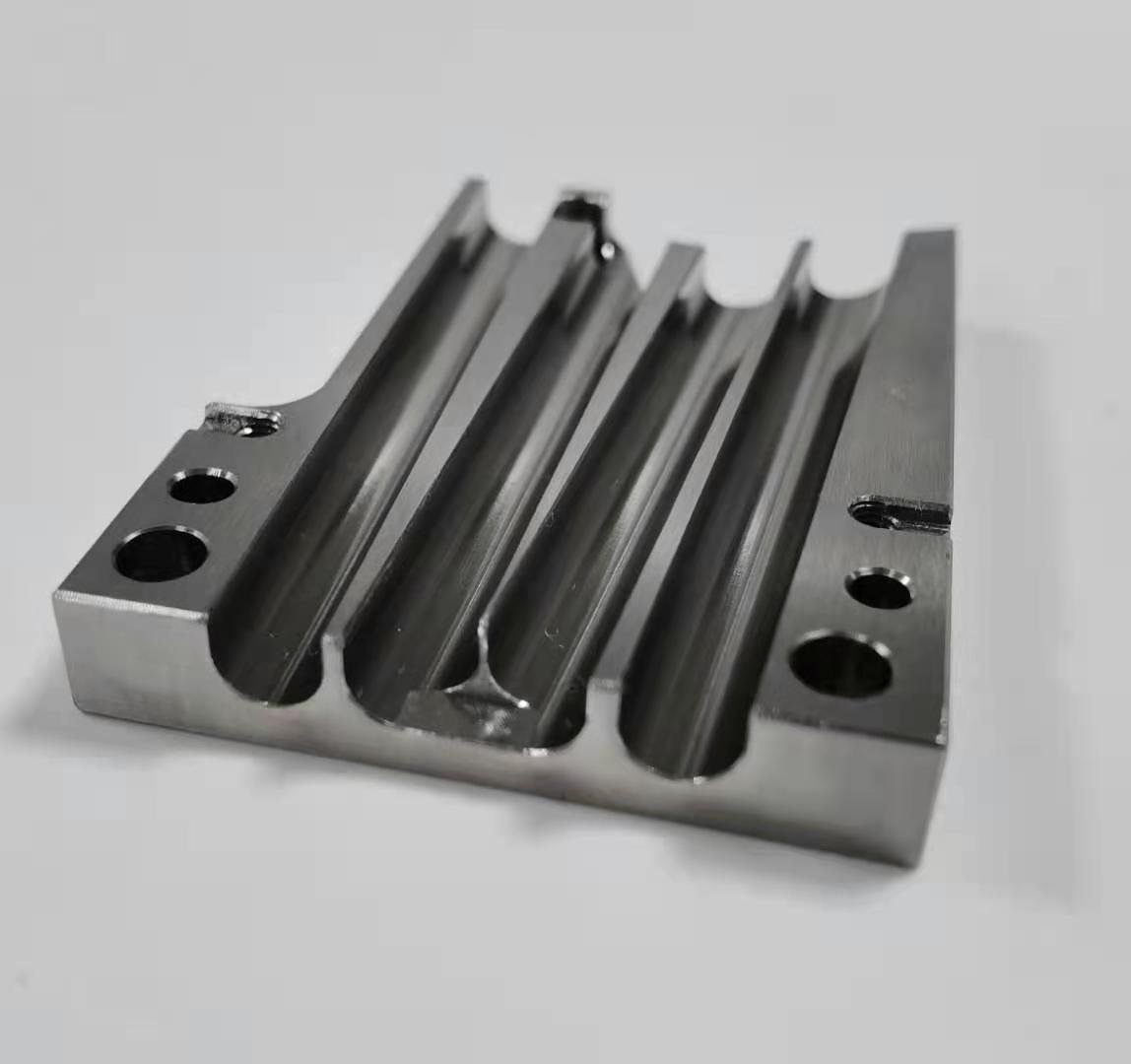
What is steel CNC machining?
Steel CNC machining is the controlled removal of material from carbon, alloy or tool steel stock using computer-guided milling, turning, drilling, grinding or EDM processes.
Steel is selected when parts need strength, stiffness, wear resistance, fatigue performance or heat-treatment response. Grade, hardness and condition strongly affect cutting forces, tool wear, chip control, surface finish and achievable tolerance.
This page focuses on carbon, alloy and tool steels. For corrosion-resistant grades such as 304 and 316, see our stainless steel CNC machining services.
- CNC milling for brackets, plates, tooling, housings and multi-face components
- CNC turning for shafts, pins, bushings, rollers, sleeves and threaded parts
- DFM review for hardness, heat treatment, thin walls and critical tolerances
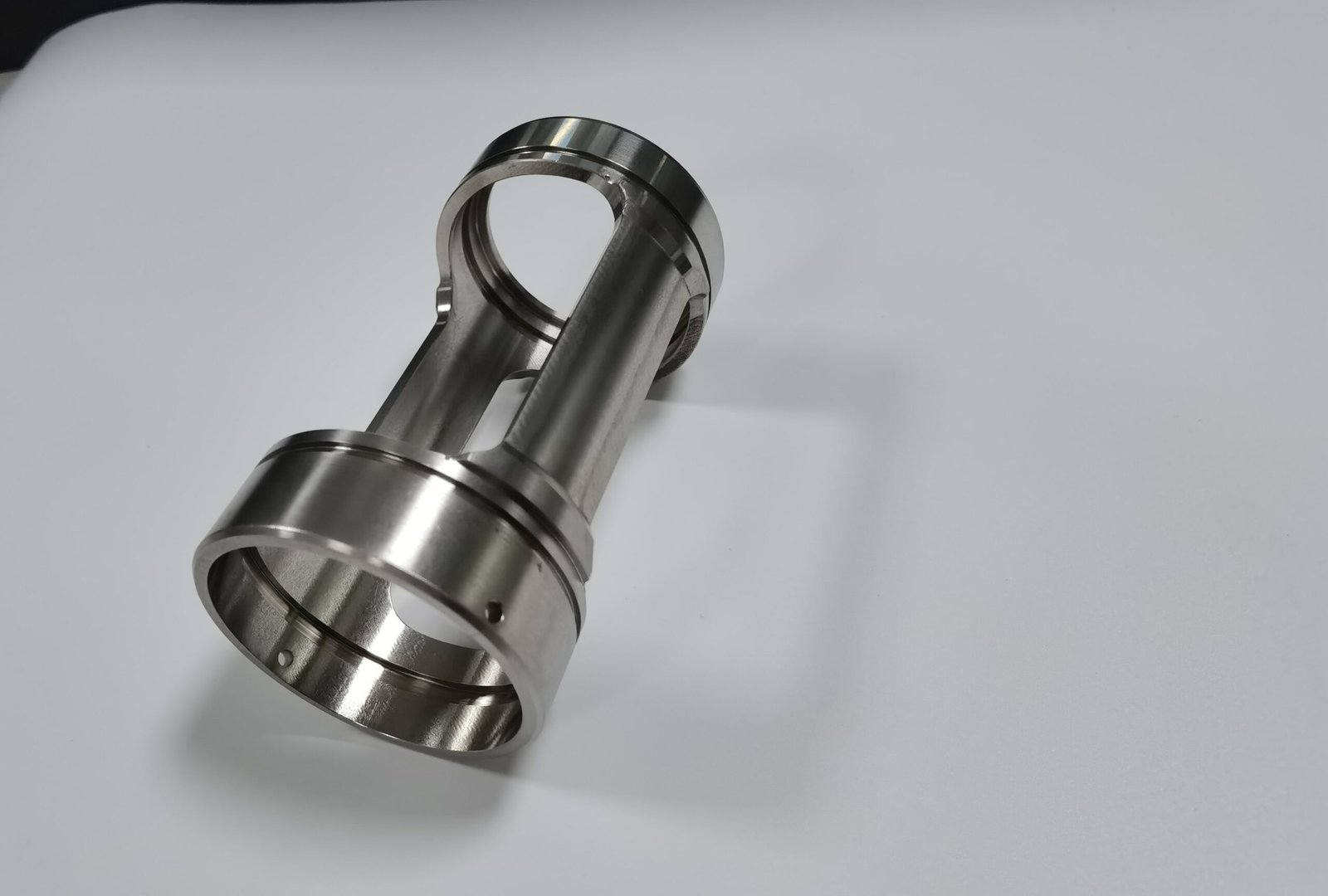
Need help selecting a steel? Send the operating load, environment, heat-treatment requirement and drawing for a material and DFM review.
Steel grades for CNC machining
The best steel is the grade that meets the part’s strength, wear, toughness, weldability, heat-treatment and cost requirements without adding unnecessary machining difficulty.
| Grade | Family | Useful characteristics | Common machined parts |
|---|---|---|---|
| 1018 | Low-carbon steel | Good machinability, weldability and economical general-purpose performance | Fixtures, spacers, pins, shafts and brackets |
| 1045 | Medium-carbon steel | Higher strength and wear resistance than low-carbon grades; can be heat treated | Gears, axles, rollers and machine components |
| 12L14 | Free-machining steel | Excellent machinability and chip control; suitability depends on application and compliance needs | High-volume fittings, bushings and turned hardware |
| 4140 | Chromium-molybdenum alloy steel | Balanced strength, toughness, fatigue performance and heat-treatment response | Shafts, fasteners, tooling and high-load components |
| 4340 | Nickel-chromium-molybdenum steel | High strength and toughness for demanding load cases | Aircraft hardware, drive components and heavy-duty shafts |
| A2 | Air-hardening tool steel | Good dimensional stability and wear resistance after heat treatment | Punches, dies, gauges and tooling inserts |
| D2 | High-carbon tool steel | High wear resistance; harder to machine, often finished after heat treatment | Cutting tools, dies, wear plates and forming tools |
| O1 | Oil-hardening tool steel | Good machinability before hardening and useful wear resistance | Fixtures, knives, punches and precision tooling |
Upload the drawing with the requested steel grade or performance target. We will review availability, heat treatment and machining feasibility before quoting.
Steel CNC milling, turning and precision finishing
The manufacturing route is selected around geometry, hardness, datum relationships, volume and final inspection requirements.
Steel CNC milling
3-axis, 4-axis and 5-axis strategies support pockets, contours, bores, slots and multi-face features. Setup planning protects datum relationships and reduces accumulated error.

Steel CNC turning
Turning supports shafts, pins, sleeves, rollers, threads and concentric features. Live tooling can combine selected milled and turned features in fewer setups.
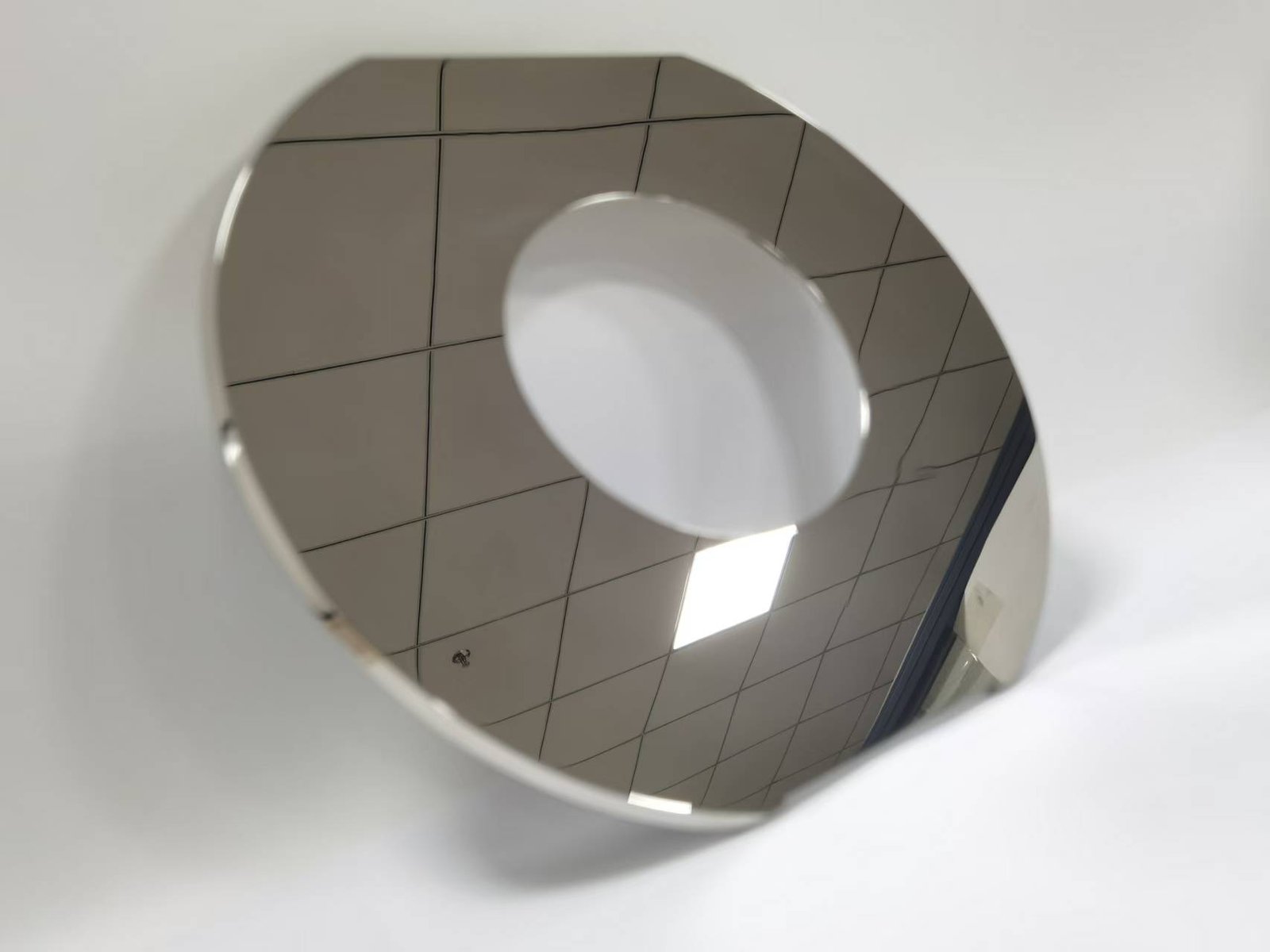
EDM, grinding and honing
For hardened material or critical surfaces, EDM, grinding or honing may be reviewed. Special processes and tolerances are confirmed against the drawing before quotation.
For a hardened or multi-axis part, include the heat-treatment condition, datum scheme and critical-feature callouts with the CAD model.
Steel CNC machining tolerances and lead times
Tolerance and delivery date should be quoted together because steel grade, hardness, geometry, heat treatment, finishing and inspection all affect the process plan.
| Buyer reference | Planning guidance | What changes the result |
|---|---|---|
| General CNC dimensions | Typically ±0.005 in (±0.127 mm) | Part size, wall thickness, feature depth and datum scheme |
| Critical CNC features | As tight as ±0.001 in (±0.025 mm), subject to drawing review | Rigidity, hardness, thermal stability, tool access and inspection method |
| EDM or grinding features | Special features to ±0.0001 in (±0.0025 mm) may be reviewed | Feature type, process availability, material condition and measurement capability |
| Rapid prototype lead time | 1–3 business days for eligible simple parts after design and stock confirmation | Stock availability, complexity, quantity, finishing and documentation |
| Standard production lead time | Typically 7–14 business days | Batch size, heat treatment, finishing, inspection and shipping method |
| Higher-volume production | Confirmed with the quotation and production plan | Tooling, sampling plan, secondary processes and scheduled capacity |
Need a firm delivery date or tolerance feasibility answer? Upload the 2D drawing and STEP model so the machining and inspection plan can be reviewed together.
How we control heat, hardness and tool wear
Reliable steel machining keeps the tool cutting cleanly while controlling heat, cutting force, chip evacuation and part distortion.
- Material-condition review: hardness and heat-treatment state are confirmed before tool selection.
- Rigid workholding: supports the datum scheme and limits chatter or part movement.
- Carbide tooling and stable chip load: reduce rubbing, built-up edge and premature wear.
- Coolant and chip evacuation: manage cutting temperature and protect surface finish.
- Tool-life monitoring: reduces dimensional drift during repeat production.
- Staged inspection: verifies critical features before heat treatment or finishing adds cost.
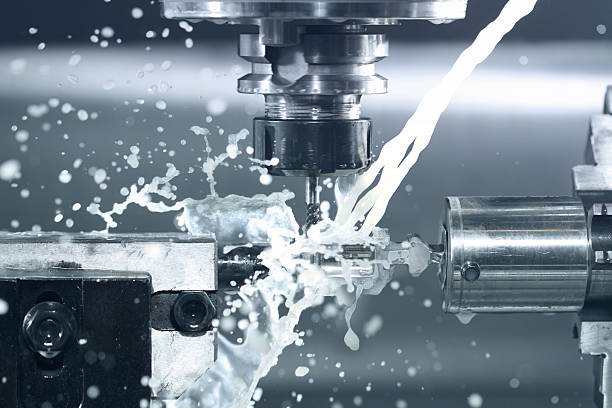
For thin walls, long shafts, deep pockets or hardened steel, request DFM feedback before releasing the final drawing.
Finishes for CNC machined steel parts
Finishing should be selected around corrosion exposure, appearance, wear, dimensional allowance and heat-treatment requirements.
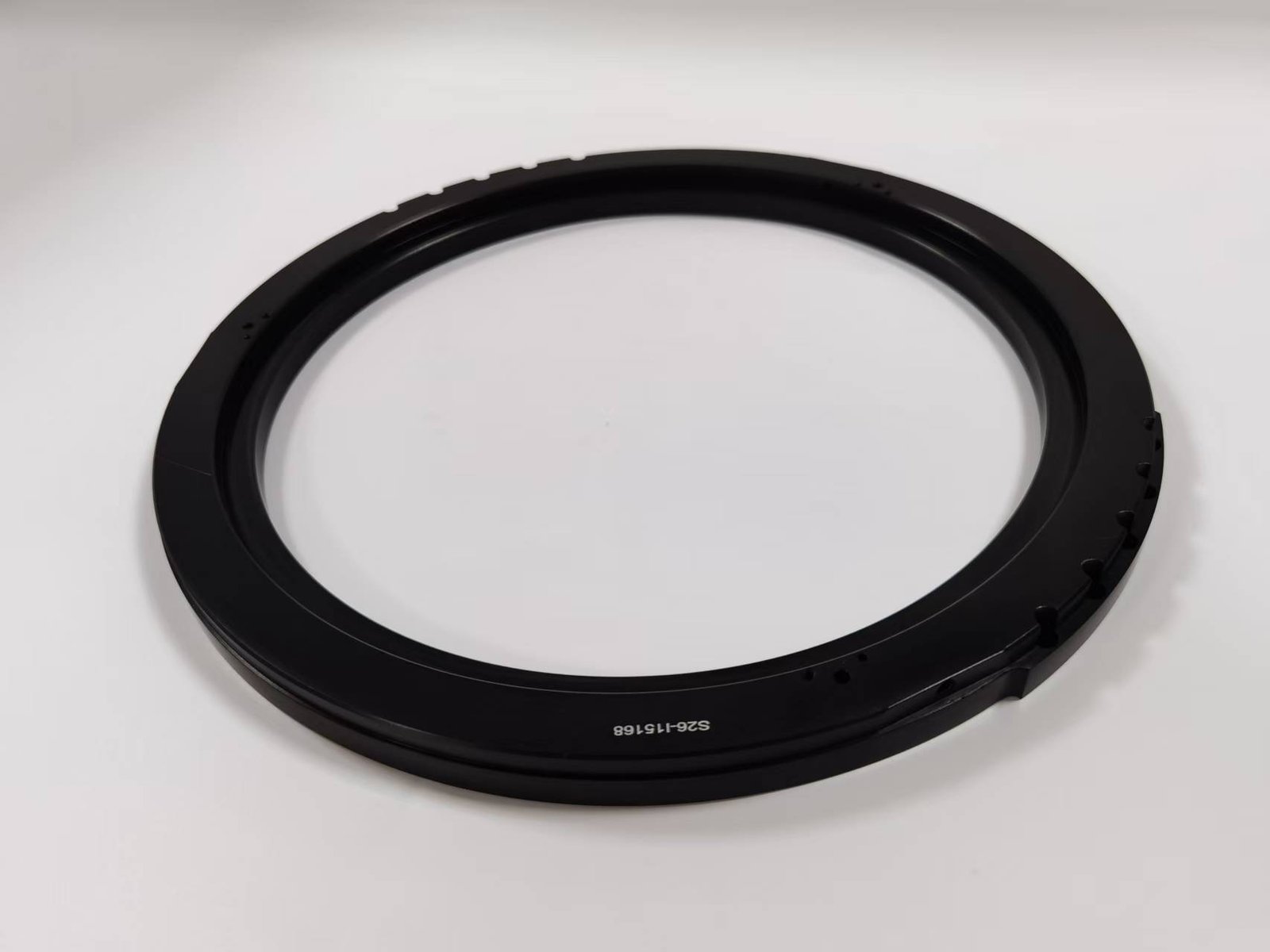
Black oxide
Provides a dark appearance and limited corrosion protection with minimal dimensional build-up. Oil or sealant requirements should be specified.
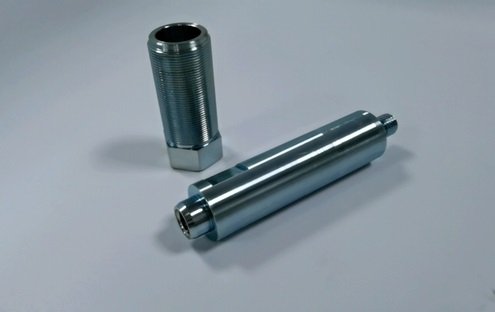
Zinc plating
Adds sacrificial corrosion protection. Plating type, color, thickness and hydrogen-embrittlement controls should be defined when relevant.
Grinding and polishing
Used for bearing fits, sealing surfaces, gauges and appearance-controlled features. Required Ra and measurement method should be stated.
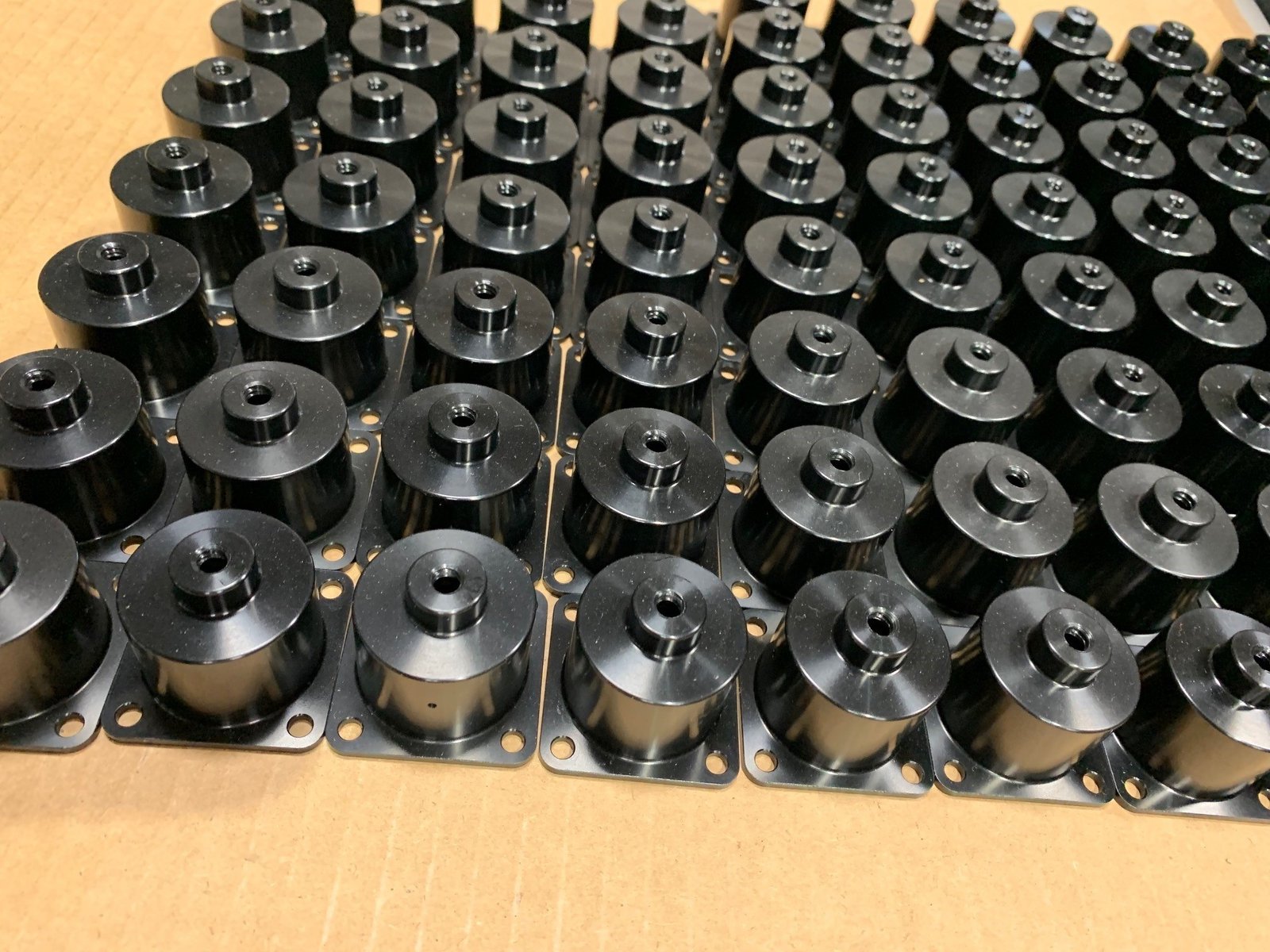
Powder coating and heat treatment
Coating, stress relief, hardening, tempering and case-hardening routes can be reviewed with masking and post-process tolerances.
Include the finish standard, color, coating thickness, hardness and masked areas on the drawing for an accurate process review.
Common CNC machined steel parts and industries
Steel is commonly chosen for parts that carry load, resist wear, hold alignment or operate in demanding mechanical assemblies.
Industrial machinery
Shafts, rollers, bearing housings, fixtures, gears, wear plates and machine components.
Automotive and mobility
Drive components, brackets, suspension hardware, tooling and test-system parts.
Aerospace equipment
Ground-support tooling, structural hardware, actuators and high-strength mechanical parts to customer specifications.
Energy and process systems
Valve components, pump parts, flanges, couplings and high-load equipment hardware.
Robotics and automation
Precision frames, joints, drive components, fixtures and durable motion-system parts.
Tooling and molds
Punches, dies, inserts, jigs, fixtures, gauges and wear-resistant tooling components.
Tell us the loads, duty cycle, environment and mating requirements so the material and inspection plan reflect the real application.
Steel CNC machining design guidelines
A practical design can shorten cycle time, reduce tool wear and protect the dimensions that matter most to function.
| Design item | Preferred approach | Why it matters |
|---|---|---|
| Internal corners | Use the largest functional radius | Larger tools are more rigid and remove material faster. |
| Deep pockets | Limit depth-to-tool-diameter ratio where possible | Long tools increase chatter, deflection and cycle time. |
| Thin walls | Add support or machining allowance | Steel cutting forces and residual stress can distort slender features. |
| Hole depth | Keep standard holes within practical drill depth | Deep holes require special tooling, chip evacuation and inspection. |
| Tolerances | Apply tight limits only to functional features | Over-tolerancing adds finishing, inspection and scrap risk. |
| Heat treatment | Plan pre- and post-heat-treatment stock allowance | Hardening can change size, flatness and final finishing needs. |
| Threads | Define class, depth, runout and gauge method | Thread requirements affect tooling, inspection and coating allowance. |
Upload STEP plus a dimensioned drawing. We will identify tolerance, tool-access, heat-treatment and finishing risks before production.
Our steel machining workflow
Files and requirements
Send STEP/IGES and a 2D drawing with grade, quantity, hardness, finish and inspection notes.
DFM and quotation
We review geometry, datums, tolerances, material condition and secondary processes.
Process planning
Stock, tooling, workholding, setup sequence and inspection checkpoints are defined.
Machining and QC
Parts are produced with in-process checks and final dimensional inspection.
Finishing and delivery
Approved heat treatment, finishing, documentation, packing and shipment are completed.
One file upload gives the engineering team what it needs to quote material, machining, finishing and inspection together.
What affects steel CNC machining cost?
Grade and hardness
Harder alloy and tool steels generally need slower cutting, more tool changes and additional finishing.
Geometry and setups
Deep pockets, thin walls, long tools and multi-face features increase cycle time and fixture complexity.
Tolerance and inspection
Tight limits, GD&T relationships and full reports add controlled operations and measurement time.
Heat treatment
Hardening, tempering, stress relief and post-treatment grinding add lead time and dimensional planning.
Surface finish
Plating, black oxide, polishing, coating and masking affect handling, allowance and supplier routing.
Quantity and delivery
Batch size affects programming and fixture cost per part; expedited work depends on material and capacity.
For the most useful quote, send quantity breaks, delivery target and the features that are truly critical to function.
Steel CNC machining FAQ
What is the best steel grade for CNC machining?
The best grade depends on function. 1018 is a practical general-purpose option, 1045 offers higher strength, 4140 balances strength and toughness, and A2 or D2 tool steels suit wear-focused tooling. Final selection should consider load, environment, hardness and heat treatment.
What tolerances can you hold on CNC machined steel parts?
General CNC dimensions commonly plan around ±0.005 in (±0.127 mm). Critical CNC features as tight as ±0.001 in (±0.025 mm) can be reviewed. Special EDM or grinding features to ±0.0001 in (±0.0025 mm) may be possible when geometry, process and measurement capability are confirmed.
What is the typical lead time for steel CNC machined parts?
Eligible simple prototypes may be planned at 1–3 business days after design and stock confirmation. Standard production commonly plans at 7–14 business days. Quantity, steel availability, heat treatment, finishing, inspection and shipping can change the confirmed schedule.
Can hardened tool steel be machined?
Yes, but the route depends on hardness and feature type. Pre-hardened steel may use carbide CNC machining, while fully hardened material may need EDM or grinding. The drawing and hardness requirement must be reviewed before quoting.
What files should I send for a steel machining quote?
Send a STEP or IGES model plus a dimensioned PDF, DXF or DWG drawing. Include steel grade and condition, hardness, quantity, finish, inspection requirements and delivery target.
Do you provide material certificates and inspection reports?
Material certificates, certificates of conformance and dimensional inspection reports can be requested. State the exact documentation and sampling requirements before quotation so they are included in the production plan.
How should heat treatment be shown on the drawing?
Specify the heat-treatment standard, target hardness or case depth, testing method and whether dimensions apply before or after treatment. Indicate features that need post-treatment grinding or masking.
How is this page different from stainless steel machining?
This page targets carbon, alloy and tool steels selected mainly for strength, toughness, wear or heat-treatment response. The stainless steel page targets corrosion-resistant grades such as 304, 316 and 17-4PH.
Have a requirement not covered here? Send the drawing and question directly to the engineering team.
Compare other CNC metal machining services
Compare material-specific pages when corrosion, weight, conductivity, strength or machinability drives the decision.
Comparing steel with another metal for the same part? Upload the design and operating requirements for a side-by-side manufacturing review.
Request a Steel CNC Machining Quote
Upload the CAD model, drawing, steel grade, quantity and delivery target. We will review manufacturability, tolerance risk, finishing and inspection before confirming price and lead time.