Titanium CNC Machining Services
Custom titanium parts require controlled heat, rigid workholding and stable cutting engagement. MyBestMachining supports titanium CNC milling and turning from prototypes through repeat production, with drawing review, in-process inspection and material documentation available on request.
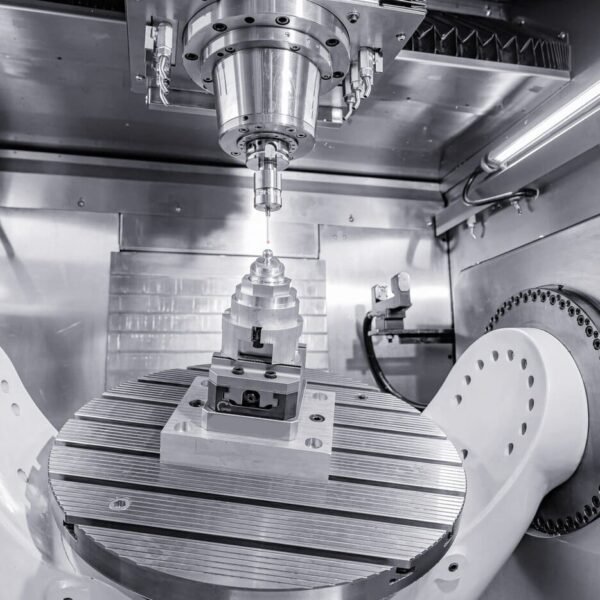
What is titanium CNC machining?
Titanium CNC machining is the controlled removal of material from titanium bar, plate or forgings with computer-guided milling and turning equipment.
Titanium combines high strength-to-weight performance, corrosion resistance and biocompatibility. Those advantages also make it demanding to cut: heat remains near the tool edge, the material can work-harden, and poor engagement can create chatter or galling. A reliable process therefore depends on sharp tooling, rigid setups, abundant coolant and inspection tied to the drawing.
We review grade, geometry, tolerance, surface finish and quantity before production. That review determines the appropriate tool path, fixture strategy, inspection method and realistic lead time.
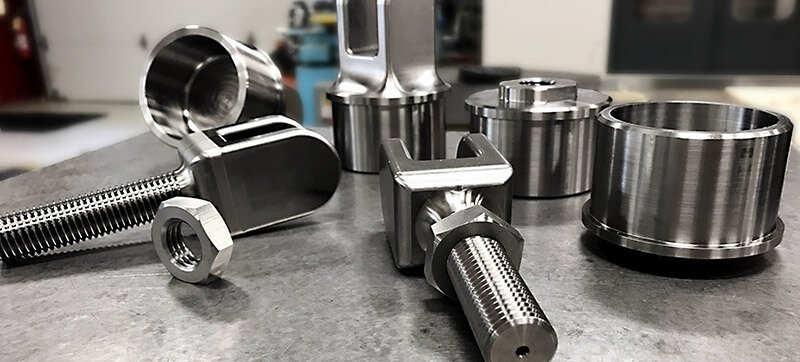
Not sure whether titanium is right for the part? Send the drawing and application requirements for a material and DFM review.
Titanium grades for CNC machining
Grade 2 and Grade 5 are the most common starting points, but the correct grade depends on strength, corrosion, temperature and documentation requirements.
| Grade | Type | Useful characteristics | Common part applications |
|---|---|---|---|
| Grade 1 | Commercially pure | Highest ductility and formability among common CP grades | Chemical equipment, heat exchangers, formed components |
| Grade 2 | Commercially pure | Balanced strength, corrosion resistance and formability | Marine, chemical processing, medical and industrial parts |
| Grade 4 | Commercially pure | Higher strength than Grades 1–3 | Fasteners, pressure components and medical hardware |
| Grade 5 / Ti-6Al-4V | Alpha-beta alloy | High strength-to-weight ratio and broad availability | Aerospace brackets, structural parts, shafts and high-load components |
| Grade 7 | Palladium-alloyed CP titanium | Improved resistance in aggressive reducing environments | Chemical and process equipment |
| Grade 9 / Ti-3Al-2.5V | Near-alpha alloy | Moderate strength with good cold formability | Tubing, hydraulic components and lightweight structures |
| Grade 23 / Ti-6Al-4V ELI | Extra-low interstitial alloy | High fracture toughness and controlled interstitial content | Medical, cryogenic and fatigue-critical parts |
Upload the drawing with the required titanium grade. We will confirm stock form, documentation and machining feasibility before quoting.
Titanium CNC milling, turning and secondary operations
The process route is selected around the part geometry, datum structure, quantity and critical features—not around a one-size-fits-all machine cycle.
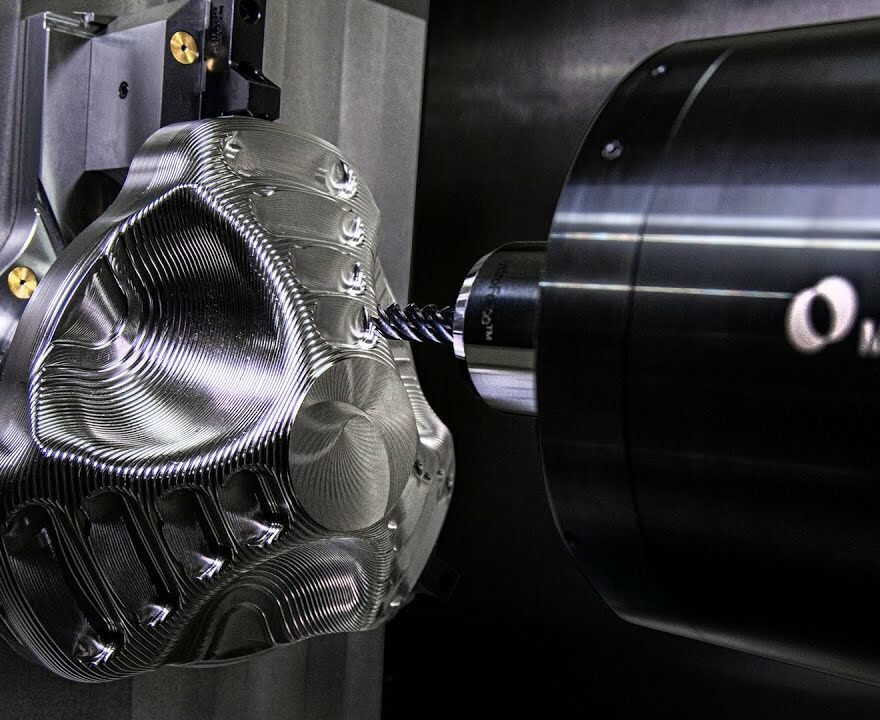
Titanium CNC milling
3-axis, 4-axis and 5-axis strategies support pockets, contours, compound angles, thin walls and multi-face features. Fewer setups can reduce accumulated positioning error on complex parts.
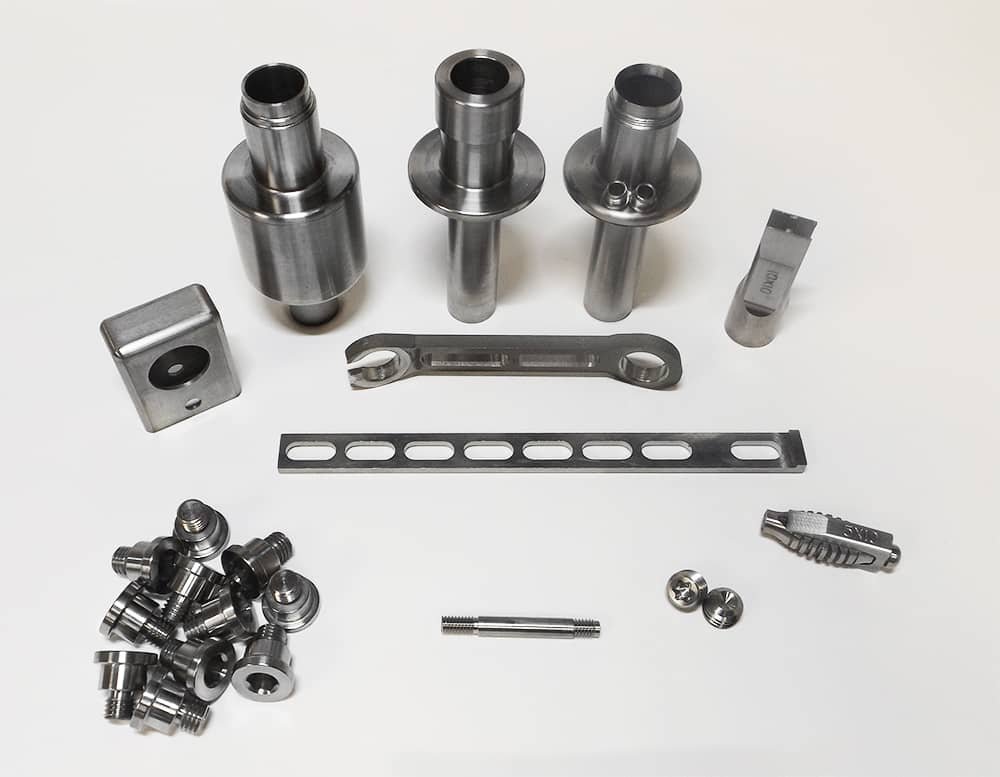
Titanium CNC turning
Turning supports shafts, sleeves, bushings, flanges and threaded components. Stable insert engagement and chip control are planned to protect surface finish and size consistency.
Finishing and inspection
Deburring, grinding, polishing, bead blasting, anodizing and other finishing routes can be reviewed. Dimensional reports and material certificates are available when specified.
Complex multi-axis part? Include STEP plus a dimensioned drawing so we can review datums, inspection access and secondary operations together.
Tolerance, surface finish and lead-time guidance
For quoting, the most useful inputs are the drawing-defined critical tolerances, inspection requirements, material condition and required delivery date.
| Item | Planning guidance | What changes the result |
|---|---|---|
| General features | Use practical drawing tolerances appropriate to function | Part size, wall thickness, feature depth and datum scheme |
| Critical dimensions | Capabilities as tight as ±0.001 in (±0.025 mm) can be reviewed | Feature geometry, thermal stability, tooling and inspection method |
| Surface finish | As-machined or secondary finishing to drawing | Tool access, alloy, direction of lay and cosmetic requirement |
| Prototype lead time | Typically 7–15 business days after design and material confirmation | Stock, geometry, quantity, finishing and inspection documents |
| Expedited work | Simple parts may be evaluated for faster production | Capacity, stock availability and required secondary processes |
| Production orders | Confirmed with the quote and production plan | Batch size, inspection sampling, finishing and shipping method |
Need a firm delivery date or a tolerance feasibility answer? Upload the 2D drawing and STEP model for a documented review.
How we manage heat, tool wear and work hardening
Titanium machining is controlled by keeping the tool cutting cleanly while moving heat away from the cutting edge.
- Rigid workholding: supports the datum scheme and reduces chatter or spring-back.
- Sharp, suitable tooling: limits rubbing and built-up edge.
- Stable chip load: helps prevent surface work hardening.
- Coolant delivery: controls temperature and assists chip evacuation.
- Tool-life monitoring: reduces dimensional drift during repeat production.
- Staged inspection: checks critical dimensions before value is added through finishing.
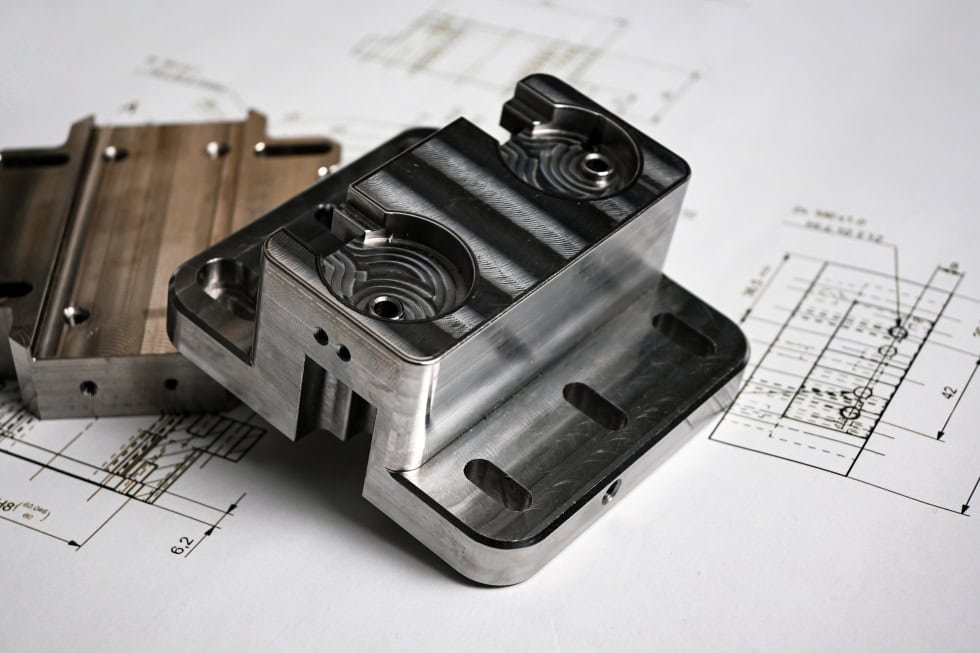
For thin walls, deep pockets or long slender features, request DFM feedback before releasing the final drawing.
Common titanium machined parts and industries
Titanium is selected when a component must combine low mass, strength, corrosion resistance or biocompatibility.
Aerospace and mobility
Structural brackets, fittings, housings, actuator parts, fasteners and weight-sensitive assemblies.
Medical and laboratory
Instrument components, device housings, fixtures and non-implant or implant-related parts made to the customer’s applicable specification.
Marine and chemical
Valve components, pump parts, fittings and corrosion-resistant hardware for demanding environments.
Energy and industrial
High-strength fasteners, sensor housings, tooling components and wear- or corrosion-sensitive machine parts.
Motorsport
Lightweight shafts, mounts, suspension hardware and custom performance components.
Electronics and optics
Stable housings, precision mounts, frames and low-volume custom hardware.
Tell us the service environment, loads and mating requirements so the machining and inspection plan reflects the real application.
Our titanium machining workflow
Files and requirements
Send STEP/IGES and a 2D drawing with grade, quantity, finish and inspection notes.
DFM and quotation
We review geometry, datums, tolerances, material supply and secondary operations.
Process planning
Tooling, workholding, setup sequence and inspection checkpoints are defined.
Machining and QC
Parts are produced with in-process checks and final dimensional inspection.
Finishing and delivery
Approved finishing, documentation, protective packing and shipment are completed.
Ready to start? One upload gives the engineering team the information needed to quote material, machining, finishing and inspection together.
Titanium CNC machining FAQ
What is the usual tolerance for CNC machined titanium parts?
General tolerances should match part function and drawing standards. Critical features as tight as ±0.001 in (±0.025 mm) can be evaluated, but feasibility depends on geometry, wall thickness, datum structure, thermal stability and inspection access.
What is the typical lead time for titanium CNC machining?
A useful planning range for prototype titanium parts is 7–15 business days after the design and material are confirmed. Quantity, stock availability, finishing and documentation can extend the schedule. The quotation provides the committed lead time.
Which titanium grade is easiest to machine?
Commercially pure grades such as Grade 2 are generally easier to cut than high-strength Grade 5, but machinability should not override the application’s mechanical and corrosion requirements. Grade selection should follow the governing specification.
Can you machine Titanium Grade 5 (Ti-6Al-4V)?
Yes. Grade 5 is commonly specified for high-strength, weight-sensitive components. The process uses controlled cutting engagement, rigid workholding, suitable carbide tooling, coolant and tool-life management.
Can titanium parts be anodized or bead blasted?
Yes, depending on the alloy, appearance and functional requirement. Available routes can include anodizing, bead blasting, polishing, passivation or coating. Review our anodizing and bead blasting service information, then confirm the titanium-specific specification with the quote.
What files should I send for a titanium machining quote?
Send a STEP or IGES model plus a dimensioned PDF/DWG drawing. Include the titanium grade and condition, quantity, finish, critical tolerances, inspection report requirements and target delivery date.
Why is titanium machining more expensive than aluminum machining?
Titanium normally requires slower cutting conditions, more careful heat control, higher tooling consumption and longer machine time. Material grade, buy-to-fly ratio, feature accessibility, tight tolerances and surface finishing also affect cost.
Do you support both prototypes and repeat production?
Yes. The same drawing and revision controls can support a first prototype, bridge quantities and repeat production. Inspection scope and sampling are agreed during quotation.
Have a requirement not covered here? Send the drawing and question directly to the engineering team.
Compare other CNC metal machining services
Use the adjacent material pages to compare corrosion performance, machinability, conductivity and cost drivers. For process selection beyond the material, see our core CNC machining service.
Comparing titanium with another alloy for the same part? Upload the design and operating requirements for a side-by-side manufacturing review.
Request a Titanium CNC Machining Quote
Upload the CAD model, drawing, titanium grade, quantity and delivery target. We will review manufacturability, tolerance risk, finishing and inspection requirements before confirming price and lead time.