Electronics CNC Machining Services
Custom housings, heat-management parts, fixtures and precision mechanical components for electronic products—from engineering prototypes to repeat production.
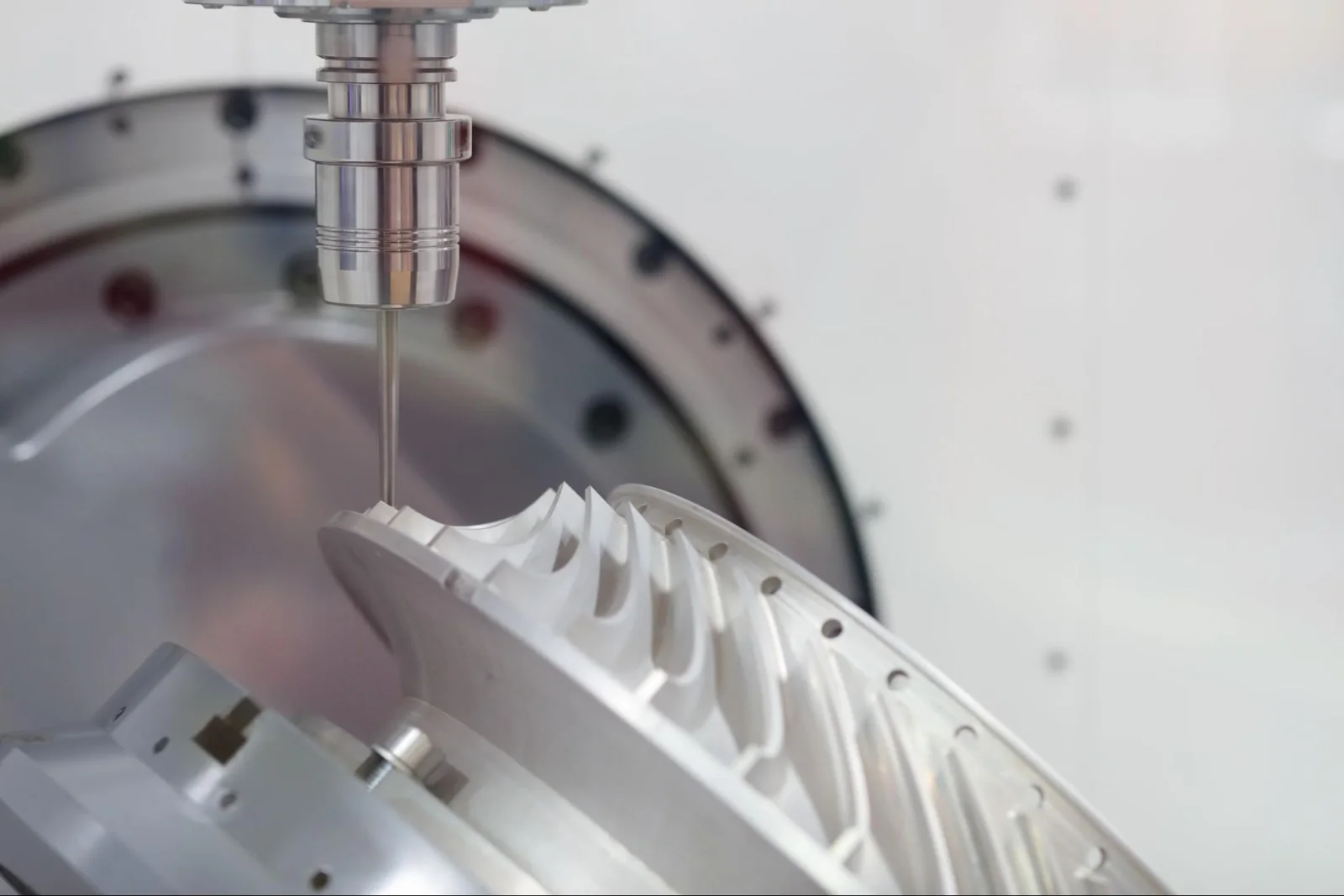
What is electronics CNC machining?
Electronics CNC machining is the precision manufacture of mechanical parts used to protect, cool, mount, connect or test electronic assemblies. Typical parts include aluminum enclosures, heat sinks, cold plates, RF housings, connector bodies, PCB fixtures and sensor mounts. The manufacturing plan must control dimensions, flatness, burrs, finish allowance and assembly interfaces—not only general part shape.
Why electronic parts require a different machining plan
Mechanical details can directly influence thermal transfer, shielding continuity, connector alignment, sealing and final assembly. We review the drawing around the function of each feature and identify dimensions that need focused process control.
- Thermal paths: heat-sink bases, cold-plate interfaces and mounting faces need controlled flatness and surface condition.
- EMI/RFI interfaces: mating surfaces and gasket lands may require conductive contact and finish masking defined by the customer.
- Assembly alignment: PCB bosses, connector cutouts, dowel holes and threaded features must share stable datums.
- Small, cosmetic products: thin walls, visible surfaces and sharp design lines require careful workholding and deburring.

Electronics components we can machine
Parts are manufactured to your drawings, material requirements and inspection criteria for industrial, communications, power, test and consumer-electronics programs.
Enclosures and housings
Machined aluminum cases, controller bodies, display frames, camera housings and rugged instrument enclosures with bosses, ports and sealing features.
Heat sinks and thermal parts
Heat-spreader plates, finned heat sinks, power-module bases and cold-plate components with controlled mounting faces.
RF and communication housings
Multi-cavity housings, covers, amplifier bodies, waveguide-related mechanical parts and mounting structures made to customer RF designs.
Connectors and interfaces
Connector shells, cable-interface parts, precision sleeves, contact-support components and machined bus-bar features.
PCB and test fixtures
Board carriers, test nests, inspection fixtures, probe supports, alignment plates and assembly tooling for engineering and production.
Sensor and optical-electronic mounts
Sensor bodies, camera mounts, detector supports and precision brackets that control mechanical alignment and repeatable assembly.
Electronics machining capabilities at a glance
| Requirement | Available approach | Engineering note |
|---|---|---|
| General dimensional tolerance | Applied according to drawing and feature function | Quote review confirms the achievable tolerance for material, geometry and inspection method. |
| Critical precision features | Selected features can reach ±0.001 mm | Requires engineering review, stable datums, suitable geometry and a defined measurement plan. |
| Prototype lead time | As fast as 3 days for suitable projects | Depends on material availability, complexity, finishing, inspection and quantity. |
| Production range | One-off prototypes, bridge quantities and repeat production | Fixtures and inspection plans are adapted as volume increases. |
| Machining processes | 3-, 4- and 5-axis milling; turning; mill-turn; grinding; wire EDM | The process route is selected around geometry, datum control and cost. |
| Quality verification | FAI, in-process inspection and final inspection | CMM, gauges, micrometers and other equipment are used as appropriate. |
| Documentation | Inspection reports and material documentation available on request | State documentation needs on the RFQ so they can be included in the plan and quote. |
Materials for electrical, thermal and mechanical performance
Material selection should match conductivity, thermal transfer, strength, weight, corrosion resistance, wear and finishing needs.
Aluminum
6061, 6063 and 7075 are common choices for lightweight housings, heat-management parts, fixtures and structural frames. Review our aluminum CNC machining capabilities when alloy, tolerance and finishing decisions must be evaluated together.
Copper and brass
High-conductivity thermal or electrical parts can use our copper machining service, while connector bodies and wear-resistant interfaces may suit precision brass machining. Define alloy, temper and surface treatment on the drawing.
Stainless and alloy steels
Suitable for precision shafts, wear parts, fixture components and structures requiring strength or corrosion resistance. See our stainless steel CNC machining guidance for grade-specific planning.
Engineering plastics
PEEK, Delrin/POM, PTFE, machined nylon, polycarbonate, acrylic and ABS can support insulation, low friction, low weight or transparent-component needs.
Magnesium and titanium
Available for selected lightweight or high-performance components after material, fire-safety, tooling and finishing requirements are reviewed.
Customer-specified grades
Send the exact material grade, standard, temper, hardness and certification requirement. We will confirm sourcing and manufacturability before production.

Processes matched to electronic-part geometry
A stable process route reduces setups, protects critical datums and improves repeatability. We may combine several operations for one complete component.
3- to 5-axis milling
CNC milling handles pockets, ribs, fins and connector cutouts; 5-axis machining reduces setups for angled and multi-sided housings.
CNC turning and mill-turn
Our CNC turning service supports shells, sleeves, connector bodies, shafts and rotational components with milled details.
Grinding and wire EDM
Grinding and wire EDM machining address selected flatness, hard-material and narrow-feature requirements.
Sheet and tube fabrication
Precision sheet metal fabrication, laser cutting and bending can support chassis, brackets and mixed assemblies.
Design details to define before quoting
| Design area | What to specify | Why it matters |
|---|---|---|
| Datums and critical dimensions | Identify functional datums, mating features and truly critical tolerances. | Prevents unnecessary cost and focuses process control on assembly performance. |
| Thin walls and deep pockets | Mark minimum wall requirements and areas where distortion is unacceptable. | Workholding, tool access and material removal can influence flatness and stability. |
| Heat-sink fins | Provide fin thickness, height, spacing, base flatness and acceptable edge break. | Fin geometry affects tool access, cycle time, burr control and thermal interface quality. |
| Threads and inserts | Define thread class, depth, insert type and pull-out requirement where applicable. | Supports reliable assembly and prevents interference with nearby thin walls or pockets. |
| Sealing and gasket lands | Call out surface finish, flatness, groove geometry and inspection method. | Sealing performance depends on more than nominal dimensions. |
| Surface finish and masking | Identify cosmetic zones, conductive contact areas, threads and surfaces to remain uncoated. | Finishes add thickness and can change fit, conductivity and appearance. |
| Burr and cleanliness requirements | Define edge-break, particle, cleaning and packaging expectations. | Small burrs or residue can interfere with electronics assembly and sensitive interfaces. |
Finishes for protection, appearance and assembly
Anodizing
Aluminum anodizing is common for enclosures, panels and heat-management components. Type, color, thickness, masking and cosmetic acceptance should be specified.
Chemical conversion coating
May be selected for corrosion protection and conductive-contact requirements when called out by the customer.
Powder coating
Powder coating services provide durable color and coverage for housings, chassis and brackets; threads and precision fits normally require masking.
Electroplating
Nickel, tin, zinc and other customer-specified coatings can support corrosion, solderability, conductivity or wear requirements.
Passivation and black oxide
Passivation and black oxide coating are available for selected stainless or steel components according to material and functional requirements.
As-machined and bead blasted
As-machined surfaces suit functional areas, while bead blasting can create a uniform matte cosmetic surface before or instead of coating.
Inspection planned around functional risk
We convert drawing requirements into a controlled inspection plan. Critical features can receive first-article and in-process checks before final inspection and protective packaging.
- Drawing, revision, material and finish review before production
- First-article inspection for setup and process validation
- In-process checks on high-risk or drift-sensitive features
- Final dimensional and appearance inspection
- CMM and suitable calibrated equipment selected by feature
- Inspection reports and material documentation available when specified

How an electronics CNC project moves through our factory
A clear handoff at every stage reduces schedule risk and protects drawing requirements.
RFQ review
Review CAD, drawing, material, finish, quantity, documentation and target delivery.
DFM and quote
Confirm manufacturability, critical features, process route and commercial terms.
Prototype
Machine initial parts with the required inspection focus for design verification.
Validation
Use inspection and customer feedback to lock revisions and acceptance criteria.
Production
Apply fixtures, documented setup control and in-process inspection as volume grows.
Final delivery
Complete final inspection, protective packaging and agreed documentation.
A manufacturing partner for fast-moving electronics programs
Engineering-led review
We review geometry, tolerances, materials, finishes and inspection needs before production begins.
Broad in-house capability
Milling, turning, grinding, wire EDM and fabrication options reduce handoffs for complex component families.
Prototype-to-production continuity
The same technical requirements can be carried from development quantities into repeat manufacturing.
Global project support
We support European and North American B2B customers with responsive communication and international delivery.
Controlled quality
ISO 9001:2015 processes, calibrated inspection equipment and defined checkpoints support repeatability.
Integrated finishing
Machining and surface-treatment coordination helps protect dimensions, masking requirements and cosmetic acceptance.
Electronics CNC machining questions
What electronic components can you machine?
We machine custom housings, heat sinks, thermal plates, connector bodies, brackets, sensor mounts, PCB fixtures, test nests and other mechanical components to customer drawings. Send the 2D drawing and 3D model for confirmation.
Can you achieve ±0.001 mm tolerance?
Selected critical features can reach ±0.001 mm after engineering review. The achievable tolerance depends on material, geometry, feature size, datum structure, process stability and the agreed inspection method. It should not be applied as a blanket tolerance to every dimension.
How fast can electronics prototypes be delivered?
Suitable parts can be delivered in as fast as 3 days. Actual lead time depends on material availability, part complexity, quantity, surface finishing, documentation and inspection requirements.
Can you machine thin-wall enclosures and heat-sink fins?
Yes, subject to design review. Wall or fin geometry, depth, tool access, material removal and cosmetic requirements affect stability, burr control, cycle time and cost. We will highlight manufacturing risks during DFM review.
Which files should be included in an RFQ?
Provide a STEP or other 3D model plus a controlled 2D drawing showing dimensions, tolerances, datums, material, finish, edge requirements and inspection notes. Include quantity, target delivery and documentation requirements.
Do you provide material and inspection reports?
Material documentation, first-article inspection and dimensional reports are available when requested and agreed in the quote. State all documentation requirements before order placement.
Can you support repeat production after prototyping?
Yes. After prototype validation, we can apply production fixtures, controlled setup documentation and in-process inspection to support repeat orders and larger quantities.
Send your drawings for a manufacturing review
Upload your 2D and 3D files with material, finish, quantity, critical features, inspection documentation and target delivery. Our team will review the requirements and prepare a clear quotation.