Machining UHMW Polyethylene
Custom CNC machining of UHMW polyethylene (UHMWPE) for wear strips, guides, rollers, bushings, conveyor components and replacement parts. We control heat, clamping pressure, burrs and dimensional relaxation to produce dependable UHMW machined parts from prototypes through repeat production.
Get a UHMWPE Machining QuoteView Capabilities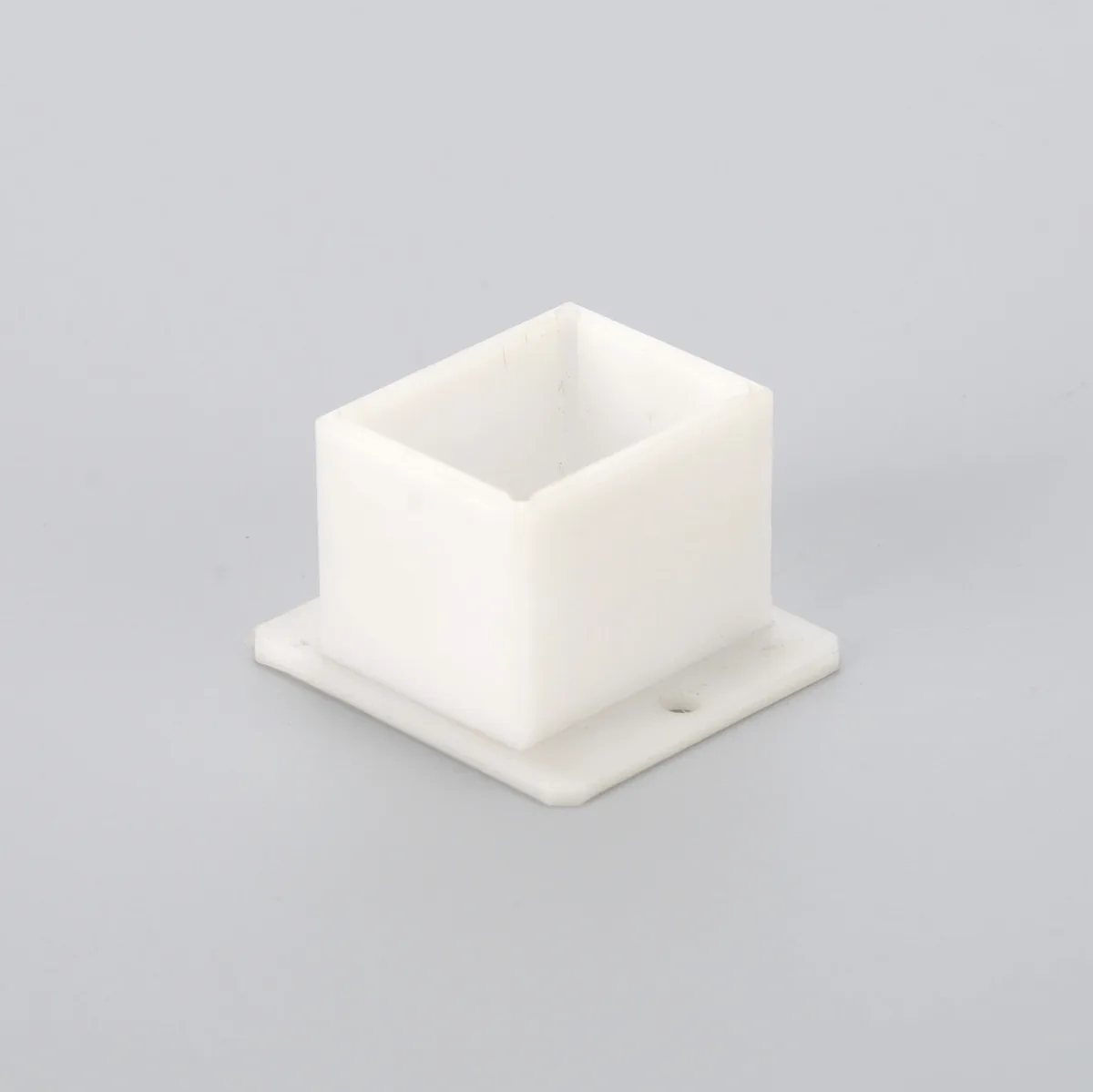
Representative CNC-machined plastic component. Grade and material certification are verified per order.
What is UHMW polyethylene machining?
UHMW polyethylene machining removes material from UHMWPE sheet, plate, rod or tube with CNC mills and lathes. It is chosen when a component needs very low friction, high abrasion and impact resistance, moisture resistance and quiet operation.
Unlike metal, UHMWPE is soft, flexible and sensitive to heat and clamping. It can move during and after cutting, so stable workholding, sharp tooling, generous chip evacuation and realistic tolerances are central to a reliable result.
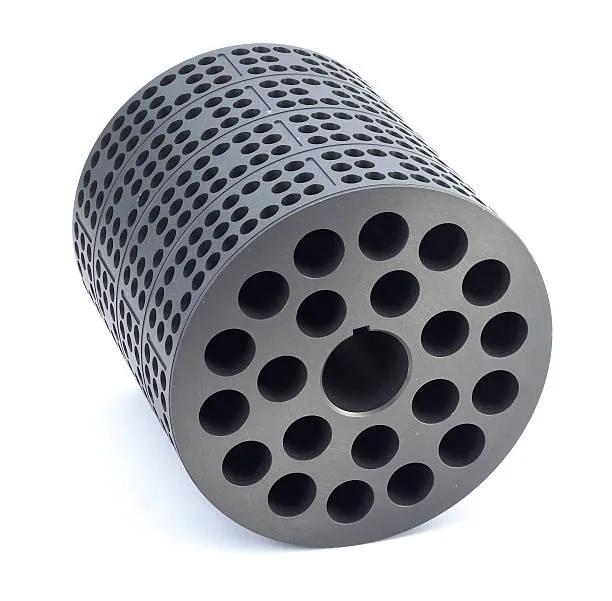
Representative complex plastic geometry; exact UHMWPE grade is confirmed before production.
UHMWPE CNC machining capabilities
CNC milling
Profiles, slots, pockets, counterbores, wear plates and multi-face features with toolpaths designed to limit heat and distortion.
Quote MillingCNC turning
Rollers, bushings, spacers, sleeves and round guides with controlled support for flexible stock.
Quote TurningDrilling & threads
Clean holes, tapped features and insert-ready details. We flag weak thread engagement or high-load fastening risks during DFM.
Discuss FeaturesInspection & assembly
Dimensional reports, documented materials, deburring, inserts and simple assemblies can be specified on the RFQ.
Request InspectionHave a drawing, STEP file or sample part?
Upload it for manufacturability review, material confirmation and a production quote.
UHMW polyethylene grades we can source
Virgin natural UHMWPE
A common choice for low-friction guides, wear strips, liners and food-equipment components when the specified grade carries the required compliance documentation.
Reprocessed UHMWPE
A cost-conscious option for many industrial wear applications where color, certification and performance requirements allow recycled content.
Modified grades
Oil-filled, static-dissipative, UV-stabilized, high-temperature and specialty colors may be sourced subject to stock and datasheet requirements.
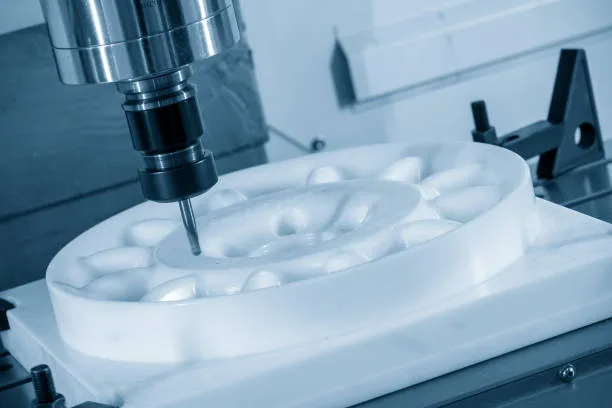
Representative engineering-plastic milling process.
How we manage UHMWPE machining challenges
- Heat: sharp tools, suitable speeds and chip clearance reduce softening and dimensional drift.
- Clamping: broad, controlled support limits compression and workpiece deformation.
- Stringy chips: toolpaths and clearing strategies prevent chip recutting and surface damage.
- Burrs: geometry-aware cutting and manual edge finishing deliver clean functional edges.
- Dimensional relaxation: critical dimensions are measured after the part has stabilized.
- Threads: inserts, through-bolts or larger engagement may be recommended for repeated or high loads.
UHMWPE machining tolerances and lead times
Final capability depends on part size, wall thickness, stock form, grade, geometry, inspection temperature and datum strategy. The values below are practical quoting targets, not blanket guarantees.
| Requirement | Planning guideline | What affects it |
|---|---|---|
| General machined features | About ±0.20 mm | Part size, unsupported walls, stock flatness and feature depth |
| Precision dimensions | About ±0.10 mm | Stable geometry, inspection method, controlled workholding |
| Selected critical features | As tight as ±0.05 mm after engineering review | Feature size, datum scheme, grade, temperature and quantity |
| Surface finish | Application-specific machined finish | Tooling, feed, feature access and cosmetic requirements |
| Prototype lead time | From 3–5 business days after order approval | Material stock, complexity, inspection, quantity and shipping |
| Production lead time | Confirmed with the quotation | Batch size, material sourcing, secondary work and documentation |
Applications for UHMW machined parts
Conveying
Chain guides, wear strips, star wheels, rails and change parts.
Bulk handling
Liners, impact pads, scrapers and low-friction transfer components.
Machine components
Bushings, rollers, spacers, guards and replacement wear parts.
Marine & wet service
Guides, pads and components benefiting from low moisture absorption.
Replacing a worn or obsolete UHMW part?
Send a drawing or sample dimensions. We can review practical tolerances and production volume.
How to design better CNC-machined UHMWPE parts
Use stable wall sections
Avoid unnecessarily thin, tall or unsupported walls. Balanced geometry reduces bending during machining and service.
Add internal radii
Corner radii compatible with standard end mills reduce machining time and improve tool access.
Prioritize functional tolerances
Apply close tolerances only to fits and datums that control performance; use sensible clearance for sliding assemblies.
Plan fastening early
For repeated assembly or higher loads, consider inserts, through-bolts, shoulders or captured hardware instead of small plastic threads.
State operating conditions
Temperature, load, speed, chemicals, UV exposure and food-contact requirements influence grade selection.
Provide neutral CAD
STEP plus a dimensioned PDF communicates geometry, tolerances, material, finish and inspection requirements clearly.
UHMWPE compared with other machinable plastics
| Material | Typical advantage | Consider instead of UHMWPE when… |
|---|---|---|
| HDPE | Cost-effective chemical and moisture resistance | You need a general-purpose polyethylene and extreme wear performance is less critical. |
| PTFE | Very low friction, broad chemical resistance and higher service temperature | Chemical or thermal performance outweighs stiffness, creep and cost. |
| Delrin / acetal | Higher stiffness, dimensional stability and precision capability | The part needs tighter fits, better rigidity or detailed precision features. |
| Nylon | Good strength and fatigue performance | Higher structural strength is required and moisture absorption can be managed. |
Material names describe families, not a single datasheet. Confirm the exact grade against load, temperature, environment and regulatory needs.
Ask for Material Selection HelpUHMW polyethylene machining FAQ
Can UHMW polyethylene be CNC machined?
Yes. UHMWPE can be milled, turned, drilled and routed. Because it is flexible and heat-sensitive, sharp tooling, controlled clamping, chip evacuation and realistic tolerances are important.
What tolerances can you hold on UHMWPE?
About ±0.20 mm is a practical general target, with ±0.10 mm possible for many precision features. Selected dimensions may reach ±0.05 mm after review of geometry, grade, size, datums and inspection conditions.
How fast can UHMW machined parts be delivered?
Simple prototypes may ship from 3–5 business days after order approval. Actual lead time depends on material availability, grade, quantity, geometry, inspection and shipping destination.
What UHMWPE grades are available?
Common options include virgin natural, reprocessed, oil-filled, static-dissipative, UV-stabilized and other modified grades. Availability and documentation are confirmed during quotation.
Is UHMWPE suitable for food equipment?
It can be when the exact resin grade and accompanying documentation meet the applicable requirements. Specify the required compliance standard; color alone is not proof of compliance.
Can you machine threads in UHMWPE?
Yes, but plastic threads can creep or strip under repeated or high loads. More engagement, coarser threads, inserts or through-fastening may be recommended.
What files should I send for a quote?
Send a STEP file and a dimensioned PDF drawing. Include grade, quantity, tolerances, inspection needs, color, operating conditions and any required certification.
Is UHMWPE better than Delrin for wear parts?
UHMWPE often offers excellent impact, abrasion and low-friction performance. Delrin is generally stiffer and more dimensionally stable. The better choice depends on load, speed, fit, temperature and environment.
Related CNC plastic machining services
Get a quote for machining UHMW polyethylene
Upload your CAD files and requirements. We will review the exact UHMWPE grade, tolerances, quantity, inspection plan and achievable lead time before production.
Upload Files for a Rapid Quote