Fill this form!
Get instant quoting and lead time assessments!
We will respond to you within 1 business day!

The most comprehensive, expert-written guide to black oxide coating available online. Covering everything from the chemistry of Fe3O4 magnetite formation to step-by-step process details, material compatibility, technical specifications, industry applications, and a full comparison against competing finishes — all in one authoritative resource.
Black oxide, also known as blackening, bluing, or gun bluing, is a chemical conversion coating applied primarily to ferrous metals such as carbon steel, stainless steel, and cast iron, as well as to copper and zinc alloys. Unlike conventional coatings such as powder coating or electroplating — which deposit a new layer of material onto the substrate — a conversion coating chemically transforms the outermost surface of the metal itself into a protective compound.
In the case of black oxide, this compound is magnetite (Fe₃O₄), a stable, hard, and naturally black form of iron oxide. The resulting layer is exceptionally thin, typically between 0.5 and 2.5 microns (0.00002 to 0.0001 inches), which means it has a negligible impact on the dimensional tolerances of precision-machined components. This is one of the primary reasons black oxide is so widely used in the manufacturing and engineering industries.
Key Distinction: Black oxide is not rust. Rust is iron(III) oxide (Fe₂O₃), an unstable, flaky compound that progressively destroys metal. Black oxide is iron(II,III) oxide (Fe₃O₄), a stable, hard, and tightly bonded compound that protects the underlying metal.
The process has a rich history, dating back centuries to the practice of “gun bluing” used by blacksmiths and armorers to protect iron and steel weapons and tools. Today, it is a highly refined industrial process governed by military specifications such as MIL-DTL-13924, and it is used across a vast range of industries from aerospace and automotive to electronics and medical devices.
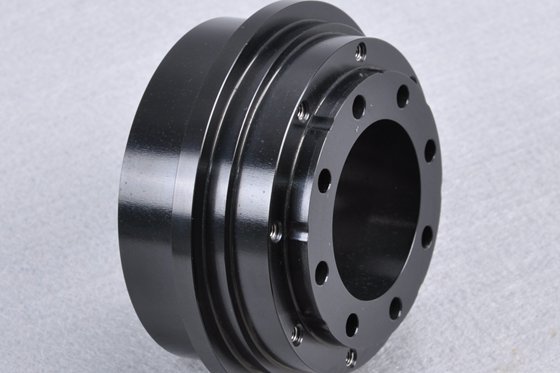
The purpose of black oxide is multifaceted. Functionally, it provides a degree of corrosion and wear resistance to ferrous metal components. Aesthetically, it imparts a sleek, uniform, matte-black finish that is both attractive and non-reflective — a critical property for applications such as surgical instruments, optical equipment, and military hardware where glare reduction is essential.
Furthermore, the porous microstructure of the black oxide layer allows it to absorb and retain supplementary sealants such as oil or wax. This not only enhances corrosion protection but also improves the lubricity of the surface, reducing friction between moving parts — a significant advantage for gears, fasteners, and tool components.
The significance of black oxide lies in its unique combination of properties that no other single finishing process can fully replicate at the same cost point. It offers corrosion protection, dimensional stability, improved aesthetics, and enhanced lubricity — all without adding any meaningful thickness to the part. For high-precision components where even a few microns of added material would cause a part to fall outside its tolerance band, black oxide is often the only viable finishing option.
Need help applying this to your CNC machined parts?
There are three primary methods for applying a black oxide finish, differentiated primarily by the operating temperature of the chemical bath. Each method has distinct advantages, limitations, and ideal use cases. Understanding these differences is essential for selecting the right process for your specific application.
Most Popular
The industry standard. Produces a true magnetite (Fe₃O₄) conversion coating with the best durability, deepest color, and strongest corrosion resistance. Ideal for high-volume production runs. Requires careful temperature control to avoid caustic steam hazards.
Operates below the boiling point of water, eliminating the caustic fumes associated with the hot process. Produces a comparable magnetite coating with slightly longer processing times (20–60 min). A safer, more environmentally considerate alternative.
Not a true conversion coating. Deposits a copper selenide compound on the surface at room temperature. Significantly less durable and less consistent in appearance. Best suited for touch-ups, small-scale applications, and DIY use. Not recommended for industrial applications.
| Feature | Hot Process | Mid-Temperature | Cold Process |
|---|---|---|---|
| Operating Temperature | 141°C (286°F) | 90–120°C (194–248°F) | 20–30°C (68–86°F) |
| Coating Chemistry | Fe₃O₄ (Magnetite) | Fe₃O₄ (Magnetite) | Copper Selenide |
| Processing Time | 5–15 minutes | 20–60 minutes | Varies |
| Durability | Excellent | Good | Poor |
| Corrosion Resistance | Excellent (sealed) | Good (sealed) | Minimal |
| Fume Generation | High (caustic) | Low | Minimal |
| Batch Processing | Excellent | Good | Limited |
| Ideal Use Case | Industrial production | Safety-sensitive environments | Touch-ups, DIY |
Need help applying this to your CNC machined parts?
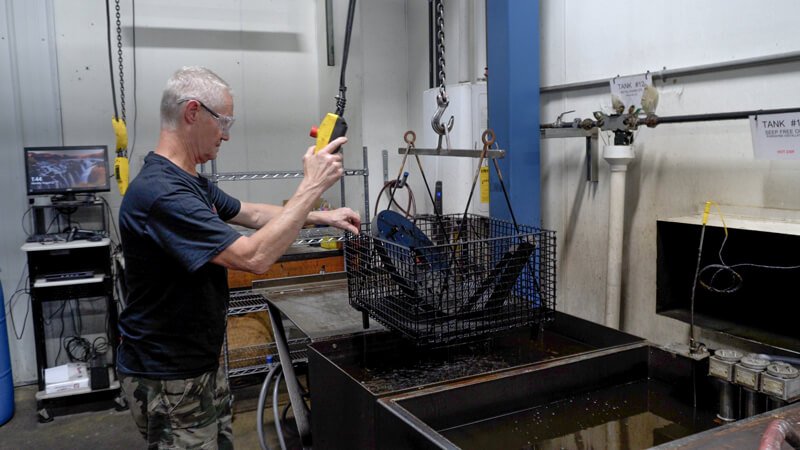
Achieving a high-quality, consistent black oxide finish requires a meticulous, multi-step process. Each stage is critical to the integrity and performance of the final coating. The hot black oxide process, described below, is the industry standard for professional applications and consists of seven distinct steps.
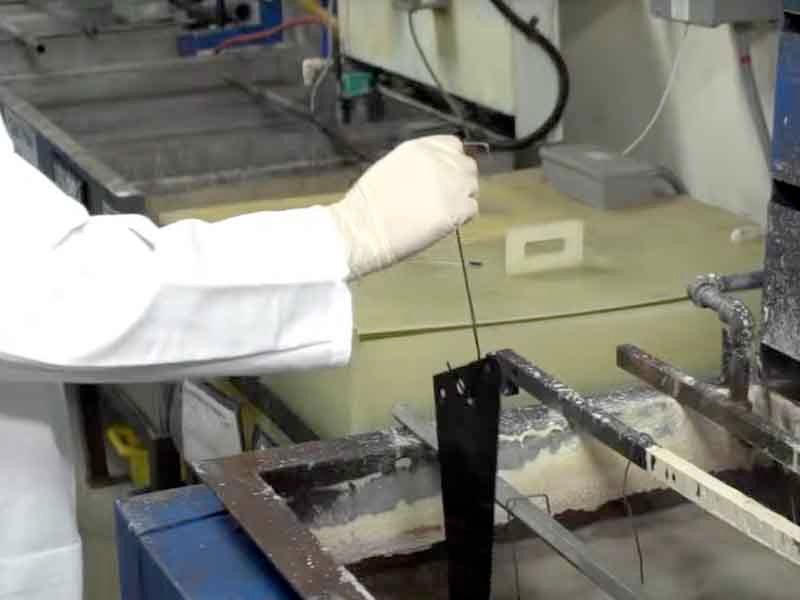
Parts are immersed in a hot alkaline cleaning solution to remove all surface contaminants, including oils, greases, machining fluids, dirt, and any other organic matter. This step is critical — any residual contamination will prevent the blackening chemicals from reacting uniformly with the metal surface, resulting in a patchy, inconsistent finish.
Parts are thoroughly rinsed in clean water to remove all traces of the alkaline cleaning solution and the emulsified contaminants it has lifted from the surface. Inadequate rinsing at this stage can contaminate the subsequent process baths.
If parts exhibit surface rust, scale, or oxide films from prior heat treatment, they are immersed in a dilute acid bath (typically sulfuric or hydrochloric acid) to dissolve these impurities. This step is skipped for clean, freshly machined parts. Acid pickling ensures the metal surface is completely bare and reactive for the blackening step.
A second rinse removes all residual acid from the pickling step. Carrying acid into the blackening bath would neutralize the alkaline blackening solution and severely degrade its performance and longevity.
Parts are immersed in the hot blackening solution, which is maintained at precisely 141°C (286°F). The solution contains sodium hydroxide (NaOH), sodium nitrate (NaNO₃), and sodium nitrite (NaNO₂). These chemicals react with the iron atoms on the surface of the part, converting them into the stable black magnetite (Fe₃O₄). The typical immersion time is between 5 and 40 minutes, depending on the desired depth of color and the specific alloy being processed.
Parts are removed from the blackening bath and rinsed thoroughly to remove all residual blackening salts. These salts, if left on the surface, can cause white salt bleed-out — a common defect where white crystalline deposits appear on the finished surface over time.
This is the most critical finishing step. The black oxide layer is inherently porous, and without a sealant, it provides only minimal corrosion protection. Parts are immersed in or sprayed with a sealant — typically a rust-preventive oil, wax, or lacquer. The sealant penetrates the pores of the magnetite layer, sealing them and dramatically improving corrosion resistance. Oil sealants produce a slightly glossy finish, while wax produces a matte appearance.
Pro Tip: The hot black oxide process is highly suitable for large batch production. Automated part carriers can transport components through each bath at precisely controlled intervals, ensuring consistent, repeatable results across thousands of parts per hour.
Need help applying this to your CNC machined parts?
Black oxide is a versatile finish, but its compatibility varies significantly by material. The standard hot black oxide process is optimized for ferrous metals, while specialized variants of the process have been developed for copper and zinc alloys. It is important to note that black oxide is not suitable for aluminum or titanium, for which anodizing is the preferred blackening method.
| Material | Compatibility | Process Used | Notes |
|---|---|---|---|
| Carbon Steel | Excellent | Standard Hot Process | The most common substrate. Produces the deepest, most uniform black finish. |
| Alloy Steel | Excellent | Standard Hot Process | Widely used for tool steel, die steel, and high-strength structural components. |
| Stainless Steel (200, 300, 400 Series) | Good | Mid-Temperature (93–98°C) | Requires a specialized mid-temperature process. Commonly used for surgical instruments to reduce glare. |
| Cast Iron | Excellent | Standard Hot Process | Produces an excellent finish. Widely used for engine components and machine tool castings. |
| Copper & Copper Alloys | Good | Ebonol C Process | A specialized alkaline process converts the surface to cupric oxide. Handles temperatures up to 200°C. |
| Zinc & Zinc Alloys | Moderate | Ebonol Z Process | Immersed in an alkaline solution at 72–82°C. Provides a dark black finish with mild corrosion resistance. |
| Aluminum | Not Suitable | N/A | Black oxide does not react with aluminum. Anodizing is the recommended alternative for a black finish on aluminum. |
| Titanium | Not Suitable | N/A | Not compatible with the black oxide process. Specialized PVD coatings are used for titanium. |
Need help applying this to your CNC machined parts?
Black oxide offers a compelling combination of functional and aesthetic benefits that make it one of the most widely specified surface finishes in precision manufacturing. Here is a detailed breakdown of each key advantage.
When sealed with oil or wax, black oxide provides excellent protection against rust and oxidation in dry to mildly humid environments. The sealant fills the pores of the magnetite layer, creating a barrier against moisture and oxygen.
At 0.5–2.5 microns thick, black oxide adds virtually no measurable dimension to a part. This makes it the preferred finish for high-precision components with tight tolerances, such as gears, dies, and precision tools.
Black oxide produces a uniform, deep, matte-black finish that is both visually appealing and non-reflective. This is critical for applications in optics, military equipment, and medical devices where glare must be minimized.
The porous microstructure of the black oxide layer absorbs and retains oil effectively, providing a self-lubricating surface that reduces friction and wear between moving parts — a major advantage for gears, bearings, and threaded fasteners.
Unlike electroplating processes such as chrome or zinc plating, black oxide does not introduce hydrogen into the metal substrate. This eliminates the risk of hydrogen embrittlement — a critical concern for high-strength steel components in structural applications.
Black oxide is one of the most economical surface finishing options available. The process is fast, uses relatively inexpensive chemicals, and is well-suited to high-volume batch processing, resulting in a very low per-part cost.
Because black oxide is a conversion coating — an integral part of the metal surface — it cannot chip, flake, or peel. This is a critical advantage in sensitive industrial environments where even a small particle of coating could contaminate a process or damage equipment.
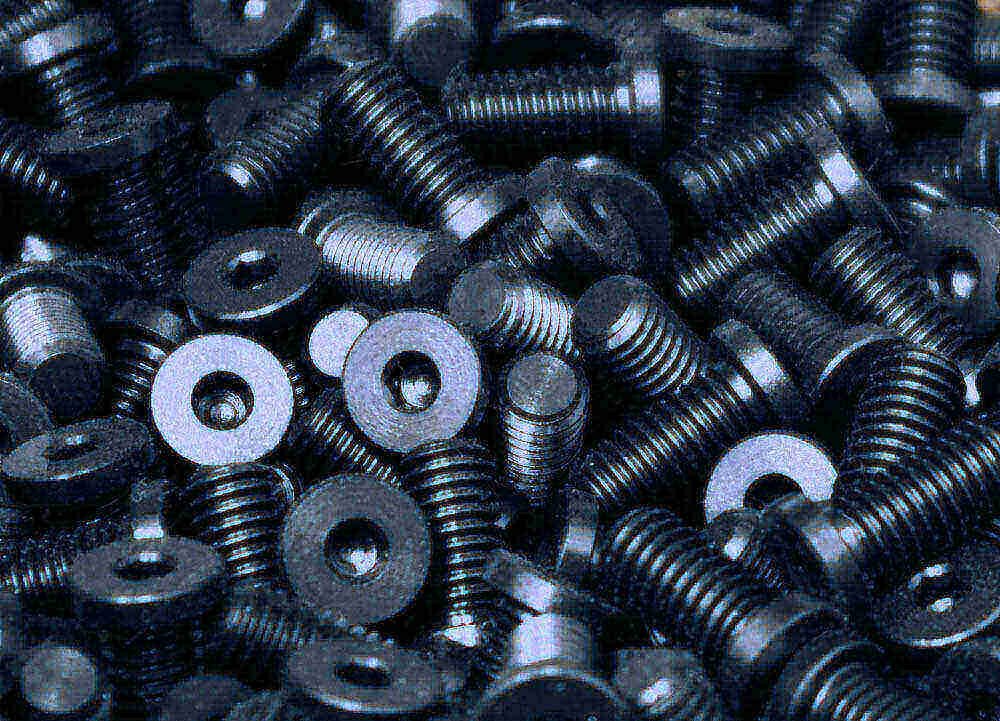
The hot black oxide process is highly scalable. Automated conveyor systems can process thousands of small parts per hour, making it economically viable for high-volume production of fasteners, tools, and other hardware.
Need help applying this to your CNC machined parts?
While black oxide is an excellent finish for many applications, it is important to understand its limitations to ensure it is the right choice for your specific use case. An honest assessment of these drawbacks is essential for making an informed engineering decision.
Need help applying this to your CNC machined parts?
The unique combination of properties offered by black oxide — corrosion resistance, dimensional stability, improved lubricity, and a non-reflective black finish — makes it a preferred choice across a remarkably diverse range of industries and applications.
Engine components (camshafts, cylinder heads), brake components (rotors, calipers), fasteners, suspension parts, and interior trim pieces. Black oxide provides corrosion resistance and an attractive finish for both functional and decorative automotive parts.
Fasteners, brackets, landing gear components, avionic housings, and precision instrument parts. The MIL-DTL-13924 specification governs black oxide for military and aerospace applications, ensuring consistent performance.
Gun barrels, frames, slides, bolts, and other components. Black oxide (gun bluing) is a traditional and highly effective finish for firearms, providing corrosion protection, a non-reflective surface, and improved lubricity for reliable operation.
Surgical instruments made from stainless steel are frequently black oxide coated to eliminate the reflective glare that can impair a surgeon’s vision during a procedure. The non-magnetic and non-chipping properties are also critical in sterile environments.
Connectors, contacts, switches, housings, enclosures, fasteners, and heat sinks. Black oxide provides corrosion resistance and an aesthetically consistent finish for electronic components, and the increased emissivity of the black surface can aid in heat dissipation.
Hand tools, impact sockets, wrenches, machine dies, jigs, fixtures, and cutting tools. The combination of dimensional stability, lubricity, and corrosion resistance makes black oxide the industry standard finish for professional-grade tools and industrial hardware.
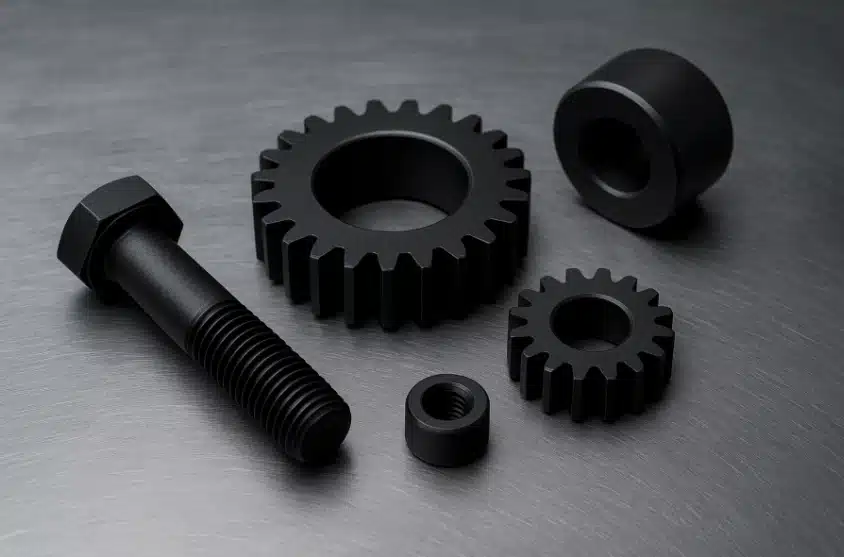
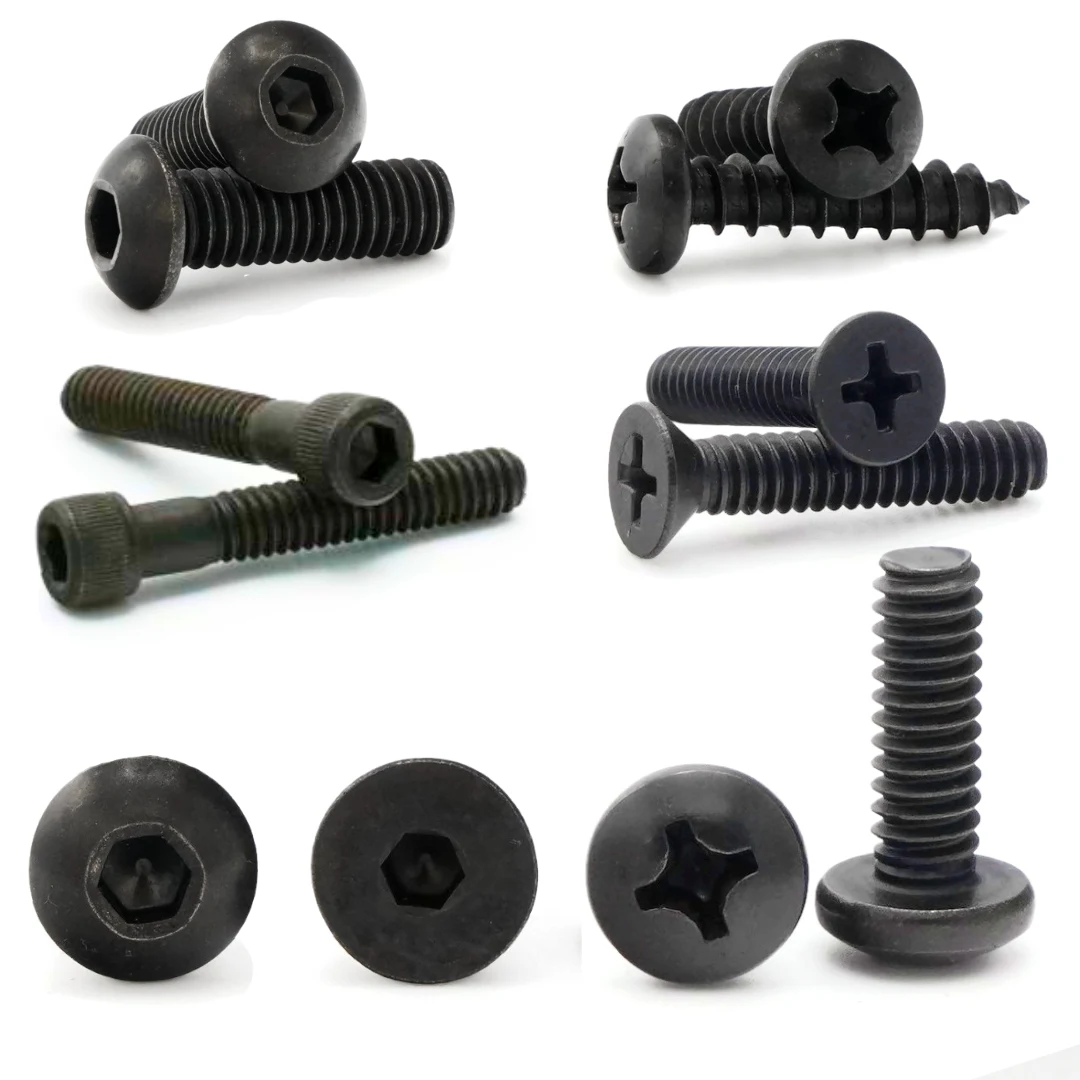
Fasteners represent one of the largest application areas for black oxide coating. Screws, bolts, nuts, and washers are routinely black oxide coated for several reasons: the dimensional stability of the coating ensures that threaded fits are not affected; the lubricity of the oil-sealed surface reduces galling during assembly; and the matte black finish provides a professional, low-visibility appearance that is preferred in many consumer and industrial products.
Gears and bearings are excellent candidates for black oxide coating due to the combination of tight dimensional tolerances, contact surfaces, and the fact that they are commonly bathed in oil during operation. The black oxide layer provides a degree of wear resistance and, combined with the oil bath, excellent lubricity. The coating’s ability to retain oil in its porous structure is particularly beneficial for components that may experience intermittent lubrication.
Need help applying this to your CNC machined parts?
Selecting the right surface finish requires a thorough understanding of how different options compare across key performance metrics. The following table provides a head-to-head comparison of black oxide against the most common alternative finishing processes.
| Feature | Black Oxide | Zinc Plating | Powder Coating | Anodizing | Electroless Nickel |
|---|---|---|---|---|---|
| Coating Type | Conversion | Electrodeposition | Organic Polymer | Conversion (Oxide) | Autocatalytic Plating |
| Corrosion Resistance | Moderate | Good | Excellent | Excellent | Excellent |
| Coating Thickness | 0.5–2.5 µm | 5–25 µm | 60–120 µm | 5–25 µm | 5–125 µm |
| Dimensional Impact | Negligible | Moderate | Significant | Moderate | Moderate |
| Relative Cost | $ (Very Low) | $$ (Low-Moderate) | $$$ (Moderate-High) | $$ (Low-Moderate) | $$$$ (High) |
| Applicable Metals | Ferrous, Cu, Zn | Primarily Steel | Most Metals | Aluminum, Titanium | Most Metals |
| Hydrogen Embrittlement Risk | None | Yes (risk) | None | None | Low risk |
| Lubricity | Excellent | Moderate | Poor | Moderate | Good |
| Chipping / Peeling Risk | None | Low | Moderate | None | None |
| Color Options | Black only | Clear, Yellow, Black | Any RAL color | Wide range | Silver/Gold |
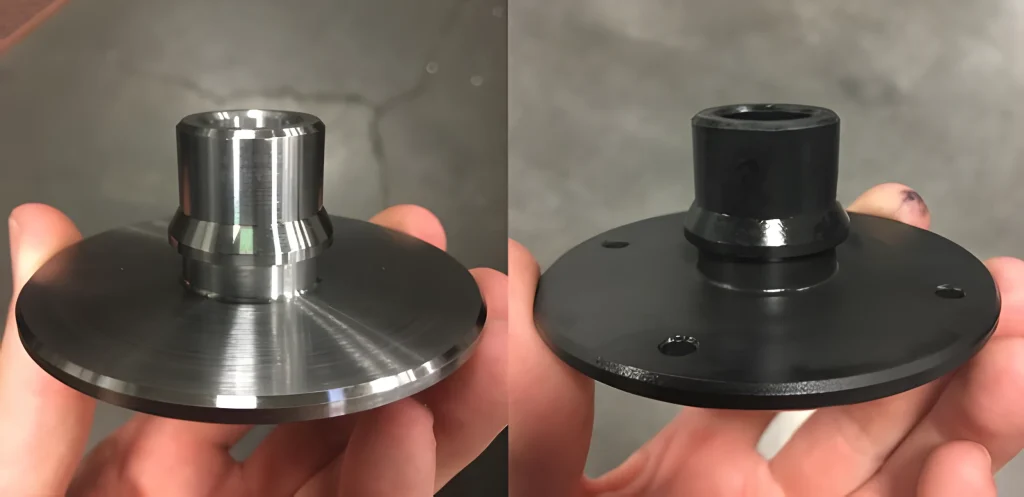
Black oxide is the optimal choice when you need a black, non-reflective finish on a ferrous metal part that has tight dimensional tolerances, will be used in a dry to mildly humid environment, requires good lubricity, and where cost is a significant consideration. It is the go-to finish for precision tools, gears, fasteners, and firearms components. If your parts will be exposed to harsh outdoor environments, high humidity, or chemical attack, consider zinc plating or powder coating for superior corrosion protection.
Need help applying this to your CNC machined parts?
The following table provides a comprehensive overview of the key technical parameters for hot black oxide coatings on carbon steel, the most common substrate. These specifications are aligned with MIL-DTL-13924, the US military standard for black oxide coatings on ferrous metals.
| Property | Value / Range | Standard / Note |
|---|---|---|
| Coating Chemistry | Magnetite (Fe₃O₄) | Stable black iron oxide |
| Coating Thickness | 0.5 – 2.5 µm (0.00002″ – 0.0001″) | MIL-DTL-13924 |
| Process Temperature (Hot) | 141°C ± 3°C (286°F ± 5°F) | Critical for Fe₃O₄ formation |
| Process Temperature (Mid-Temp) | 90 – 120°C (194 – 248°F) | Below boiling point of water |
| Immersion Time (Hot) | 5 – 40 minutes | Depends on alloy and desired shade |
| Salt Spray Resistance (Unsealed) | < 1 hour | ASTM B117 |
| Salt Spray Resistance (Oil Sealed) | 96 – 200+ hours | ASTM B117, varies with sealant quality |
| Surface Hardness Change | Negligible | No significant change to base metal hardness |
| Coefficient of Friction (Oil Sealed) | 0.10 – 0.15 | Reduced vs. bare steel (~0.20) |
| Thermal Stability | Up to ~400°C (752°F) | Coating remains stable below this temperature |
| Electrical Conductivity | Maintained | Thin coating does not significantly impede conductivity |
| Magnetic Properties | Unaffected | Coating does not alter magnetic properties of base metal |
| Applicable Military Specification | MIL-DTL-13924 | Class 1 (Hot), Class 3 (Mid-Temp), Class 4 (Cold) |
| Chemical Bath Composition | NaOH + NaNO₃ + NaNO₂ | Sodium hydroxide, nitrate, nitrite |
The physical properties of a black oxide coating are a direct result of the magnetite crystal structure formed during the conversion process. The coating exhibits a characteristic matte to semi-gloss black appearance, depending on the surface finish of the substrate and the type of sealant applied. A polished substrate will produce a more reflective finish, while a matte or brushed substrate will produce a deeper, more uniform matte black.
The coating’s thermal stability is a significant advantage in high-temperature applications. Magnetite remains stable up to approximately 400°C (752°F), above which it begins to convert to other iron oxide phases. This makes black oxide suitable for engine components, exhaust fittings, and other parts exposed to elevated temperatures.
Need help applying this to your CNC machined parts?
Proper maintenance is essential for preserving the corrosion protection and appearance of black oxide coated parts. Because the corrosion resistance of black oxide is largely dependent on the sealant, maintaining that sealant is the primary focus of any maintenance program.
Inspect black oxide parts regularly, particularly after use in environments with any moisture exposure. Look for the early signs of rust formation — small reddish-brown spots on the surface. Early detection allows for easy remediation before significant corrosion develops.
The oil sealant applied during the finishing process will gradually evaporate or be removed through use. Periodically apply a thin coat of rust-preventive oil (such as WD-40, CLP, or a dedicated rust preventive oil) to the surface and wipe off any excess. This is the single most effective maintenance action for black oxide parts.
Black oxide is not suitable for parts that will be regularly or continuously exposed to moisture, rain, or high humidity. If parts must be used in such environments, consider a more robust sealant (such as a lacquer or wax) or specify a more corrosion-resistant finish such as zinc plating or powder coating.
Black oxide is highly susceptible to attack by acids. Even mild acids, such as those found in perspiration, can cause rapid discoloration and corrosion of black oxide parts. Handle parts with clean, dry gloves and avoid exposure to acidic chemicals.
Store black oxide parts in a clean, dry environment. Use VCI (Vapor Corrosion Inhibitor) bags or paper for long-term storage. Avoid storing parts in direct contact with bare metal surfaces, which can cause galvanic corrosion.
If a black oxide part has developed significant corrosion or the finish has been damaged, it can often be re-coated. The part is cleaned, any rust is removed, and it is re-processed through the full black oxide cycle. This restores both the appearance and the protective properties of the coating.
Need help applying this to your CNC machined parts?
Black oxide is widely recognized as one of the most cost-effective surface finishing options available for ferrous metals. However, the actual cost per part varies depending on several key factors. Understanding these variables will help you budget accurately for your project.
Larger parts require more chemical solution and longer processing times. Higher quantities benefit from economies of scale, with per-part costs decreasing significantly for large batch runs.
Complex geometries with blind holes, deep recesses, or intricate features may require special handling to ensure complete and uniform coverage, adding to the processing time and cost.
Hot black oxide is generally the most cost-effective for large volumes. Mid-temperature processes may carry a slight premium due to longer cycle times. Specialized processes for stainless steel or copper may also cost more.
Cost Comparison: As a general rule, black oxide coating costs approximately 30–60% less than zinc electroplating and 50–80% less than powder coating on a per-part basis for standard carbon steel components in medium to high volumes. The exact savings will depend on your specific part geometry and volume.
Need help applying this to your CNC machined parts?
Like all industrial chemical processes, black oxide coating has environmental implications that must be carefully managed. The process uses several chemicals that are classified as hazardous, including sodium hydroxide (a strong alkali), sodium nitrate, and sodium nitrite. The disposal of spent process solutions and rinse water must comply with all applicable local, state, and federal environmental regulations.
However, it is important to note that black oxide is generally considered to be more environmentally benign than many alternative finishing processes. Unlike electroplating, which uses heavy metals such as chromium, cadmium, and nickel, black oxide uses no heavy metals. The chemicals involved, while hazardous, are less acutely toxic and more readily treated by standard industrial wastewater treatment systems.
Regulatory Note: Professional black oxide coating facilities operate under strict environmental permits and employ wastewater treatment systems to neutralize and treat process effluents before discharge. When sourcing black oxide services, always verify that your supplier is operating in full compliance with all applicable environmental regulations.
Need help applying this to your CNC machined parts?
The following video provides an excellent visual overview of the black oxide coating process, demonstrating the step-by-step procedure and the quality of the finished product. Watching this will give you a clear understanding of what to expect from a professional black oxide coating service.
A detailed visual guide to the hot black oxide coating process for ferrous metal parts.
Need help applying this to your CNC machined parts?
Here are the most common questions our customers ask about black oxide coating, answered by our engineering team.
Black oxide coating is a chemical conversion process that converts the surface of ferrous metals into a thin, stable layer of magnetite (Fe₃O₄) — a black iron oxide. Unlike plating or painting, it does not add a separate layer of material; instead, it transforms the metal’s own surface. The result is a deep black finish with improved corrosion resistance, enhanced lubricity, and minimal dimensional change. It is also known as blackening, bluing, or gun bluing.
No. Both are forms of iron oxide, but they are chemically distinct and behave very differently. Rust is iron(III) oxide (Fe₂O₃), an unstable, porous, and flaky compound that progressively destroys the underlying metal. Black oxide is iron(II,III) oxide (Fe₃O₄), also known as magnetite, which is a stable, hard, and tightly bonded compound that protects the metal surface. Think of black oxide as “controlled, beneficial oxidation” versus the destructive, uncontrolled oxidation of rust.
Black oxide alone provides only minimal corrosion protection. The magnetite layer itself is porous and does not form a complete barrier against moisture and oxygen. The real corrosion protection comes from the sealant (oil, wax, or lacquer) applied after the blackening step. With a high-quality oil sealant, black oxide can achieve 96–200+ hours of salt spray resistance (ASTM B117). Without a sealant, it may rust within an hour of exposure to salt spray. Regular re-oiling is essential for maintaining long-term corrosion protection.
Hot black oxide operates at 141°C (286°F) and creates a true chemical conversion coating of magnetite (Fe₃O₄) on the metal surface. It produces the most durable, consistent, and corrosion-resistant finish and is the industry standard for professional applications. Cold black oxide operates at room temperature and does not create a true conversion coating; instead, it deposits a layer of copper selenide on the surface. This layer is significantly less durable, less consistent in appearance, and provides inferior corrosion protection. Cold black oxide is primarily used for touch-ups and small-scale DIY applications.
Black oxide is primarily used on ferrous metals, including carbon steel, alloy steel, tool steel, and cast iron. Specialized processes also exist for stainless steel (200, 300, and 400 series), copper and copper alloys (Ebonol C process), and zinc alloys (Ebonol Z process). Black oxide is NOT suitable for aluminum or titanium. For a black finish on aluminum, anodizing is the recommended process. For titanium, PVD (Physical Vapor Deposition) coatings are typically used.
Virtually not at all. The black oxide coating is typically between 0.5 and 2.5 microns (0.00002 to 0.0001 inches) thick. For context, a human hair is approximately 70 microns in diameter. This negligible thickness means that black oxide has essentially no impact on the dimensional tolerances of precision-machined parts. This is one of its most significant advantages over other finishing processes such as powder coating (60–120 µm) or electroplating (5–25 µm), which can meaningfully affect part dimensions.
Magnetite (Fe₃O₄), the compound formed during the black oxide process, is itself a magnetic material. However, the coating is so thin (0.5–2.5 microns) that it does not meaningfully affect the magnetic properties of the base metal. A magnetic steel part will remain magnetic after black oxide coating, and a non-magnetic stainless steel part will remain non-magnetic. For applications where precise magnetic properties are critical, the black oxide coating can be considered magnetically transparent.
Cold black oxide kits are available for home use from suppliers such as Birchwood Technologies and Caswell Plating. These kits are relatively safe to use and can produce a decent black finish for small parts and touch-up work. However, they do not produce the same level of durability, consistency, or corrosion resistance as a professional hot or mid-temperature black oxide process. For industrial or professional applications, a certified finishing shop should always be used. The hot black oxide process involves boiling caustic chemicals and is not suitable for home use.
The US military specification governing black oxide coatings on ferrous metals is MIL-DTL-13924. This specification defines four classes of black oxide: Class 1 (Hot process, for carbon and alloy steels), Class 2 (Fused salt process), Class 3 (Mid-temperature process), and Class 4 (Cold process). For aerospace and defense applications, specifying MIL-DTL-13924 Class 1 ensures that the coating meets the highest standards of quality, durability, and corrosion resistance.
Need help applying this to your CNC machined parts?
At mybestmachining.com, we offer professional black oxide coating services as part of our comprehensive suite of CNC machining and surface finishing solutions. Our state-of-the-art hot black oxide processing line is capable of handling parts ranging from small precision fasteners to large structural components, with full compliance to MIL-DTL-13924 specifications.
Our engineering team works closely with each customer to select the optimal black oxide process and sealant for their specific application, material, and performance requirements. We offer competitive pricing, fast turnaround times, and rigorous quality control to ensure that every part we deliver meets or exceeds your expectations.
| Capability | Details |
|---|---|
| Process Types Offered | Hot Black Oxide (MIL-DTL-13924 Class 1), Mid-Temperature Black Oxide (Class 3) |
| Compatible Materials | Carbon Steel, Alloy Steel, Tool Steel, Cast Iron, Stainless Steel (200/300/400 series) |
| Sealant Options | Rust-Preventive Oil, Wax, Clear Lacquer |
| Maximum Part Size | Contact us for specific dimensions |
| Minimum Order Quantity | No minimum — prototypes to production runs |
| Lead Time | Standard: 5–7 business days | Rush: 2–3 business days |
| Quality Standards | MIL-DTL-13924, ISO 9001:2015 |
| Inspection | Visual inspection, coating thickness verification, salt spray testing available |
Need help applying this to your CNC machined parts?
MyBestMachining delivers professional black oxide coating services with fast turnaround, competitive pricing, and full MIL-DTL-13924 compliance. From prototype to high-volume production, we have the expertise and capacity to meet your requirements.