Powder Coating for CNC Machined & Fabricated Metal Parts
Coordinate machining, sheet metal fabrication, masking, powder coating and final inspection through one supplier. We review finish build, functional surfaces and cosmetic requirements before production.
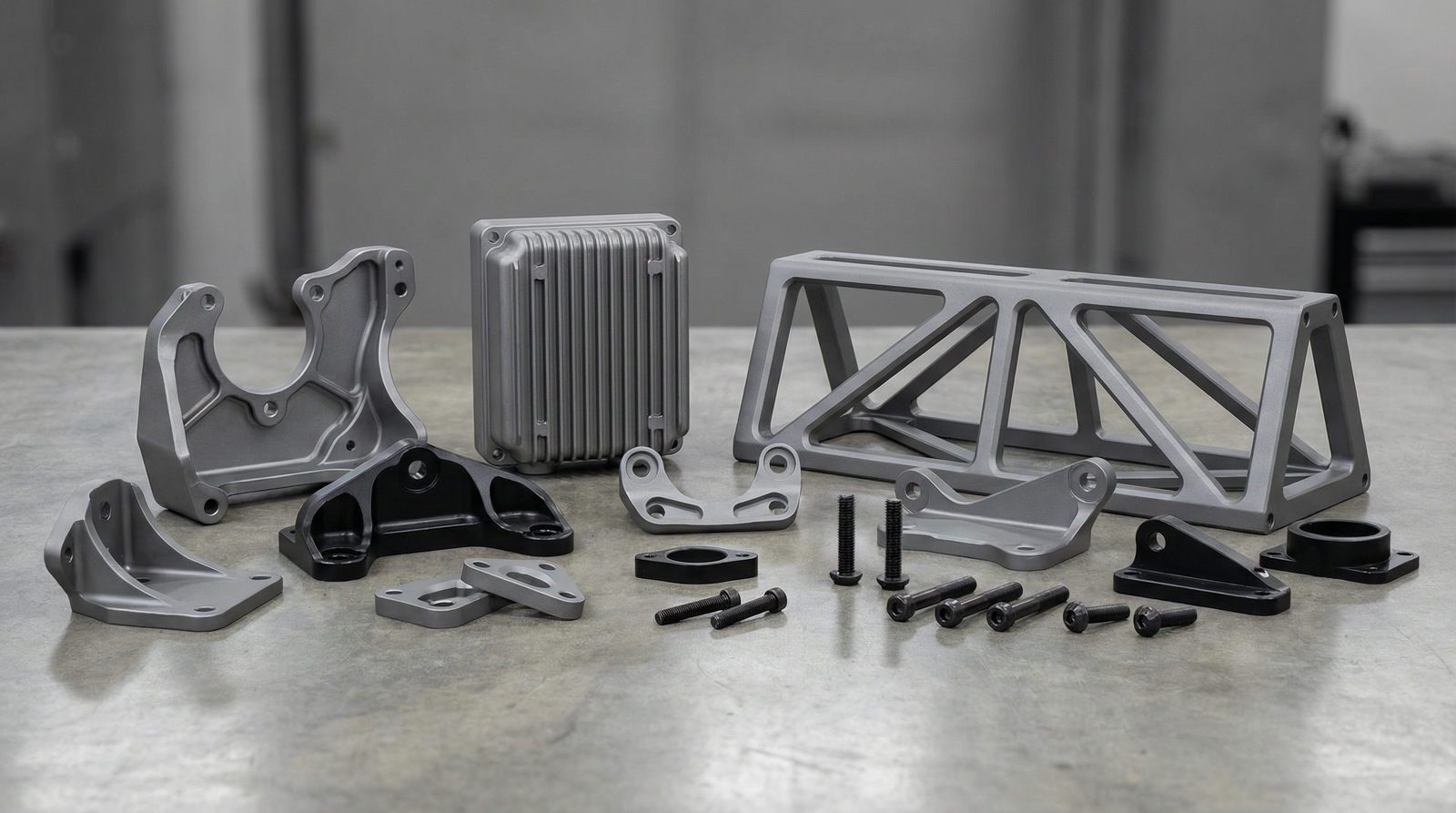
What are powder coating services?
Powder coating is a dry metal-finishing process. Electrostatic equipment applies charged polymer powder to a grounded, prepared part. Heat then melts and cures the powder into a continuous film.
For CNC machined and fabricated components, the finish can add color, texture and environmental protection. Performance depends on the substrate, cleaning and pretreatment, coating chemistry, cure schedule, film build and service conditions—not on color alone.
Because coating changes the finished dimensions, the drawing should identify threads, sealing faces, electrical contacts, precision bores, press fits and cosmetic zones. We review these requirements together with the machining plan so masking and allowances are defined before parts reach finishing.
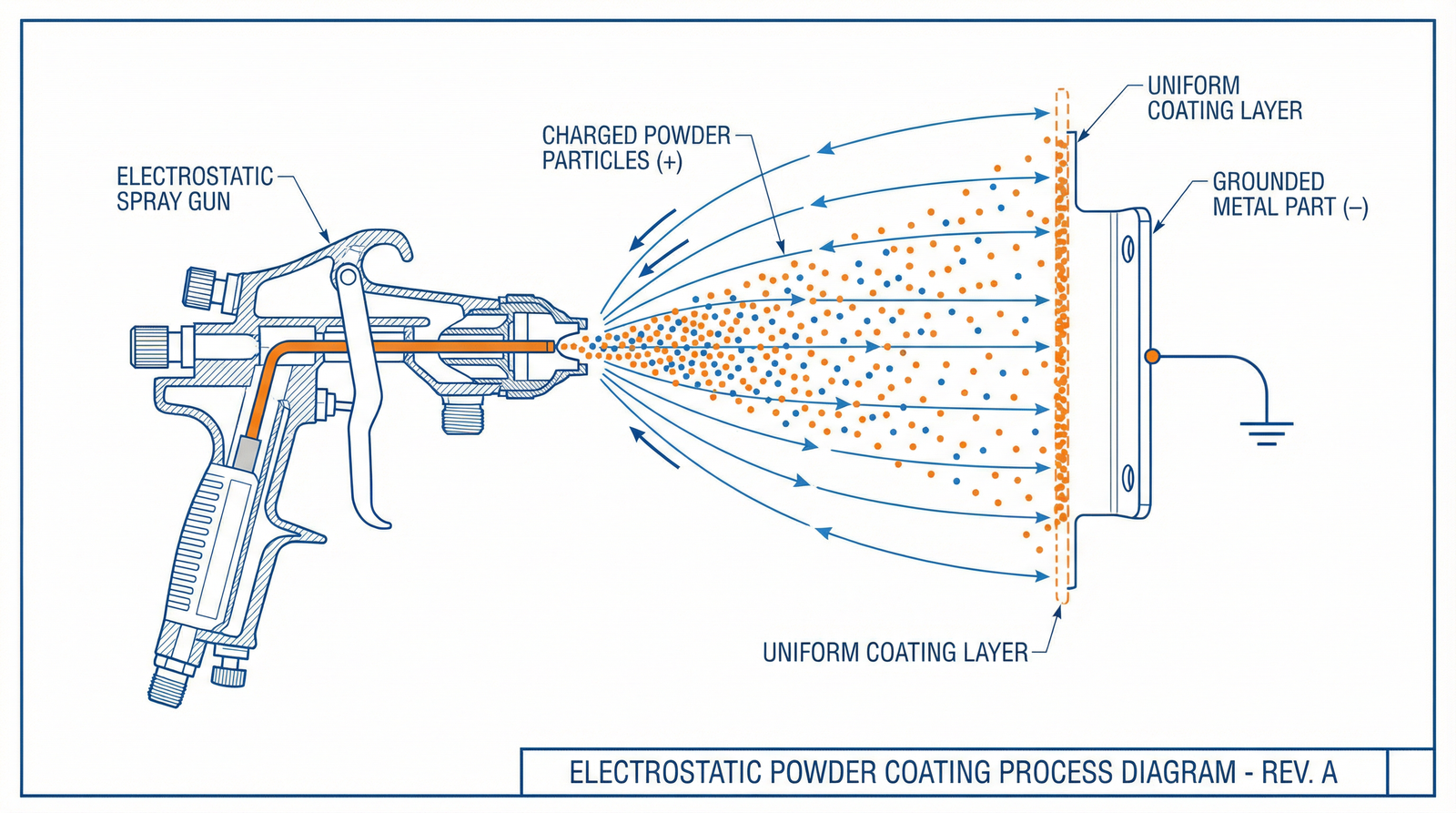
Electrostatically charged powder is attracted to the grounded workpiece before oven curing.
Materials, coating systems and typical uses
The correct system is selected from the base metal, indoor or outdoor exposure, appearance target and required tests. The table is a practical starting point; final suitability is project-specific.
| Base material | Typical parts | Planning priorities |
|---|---|---|
| Aluminum alloys | Housings, brackets, control panels, covers | Alloy-compatible pretreatment, grounding points, color and coating build on precision features |
| Carbon steel | Frames, mounts, guards, equipment components | Oil and scale removal, corrosion exposure, pretreatment and edge coverage |
| Stainless steel | Enclosures and equipment parts | Surface profile, adhesion, cosmetic consistency and whether coating is necessary for the end use |
| Galvanized or cast metal | Brackets, covers and structural components | Substrate condition, outgassing risk, pretreatment and a compatible cure schedule |
Polyester systems
Commonly considered for exterior color and weathering requirements. Chemistry and performance grade should match the exposure specification.
Epoxy systems
Often considered for adhesion and chemical-resistance needs in protected or indoor environments. UV exposure must be reviewed.
Hybrid and specialty systems
May balance appearance, application behavior or functional properties. Selection depends on the drawing and supplier data sheet.
Not sure which coating system fits the application?
Send the alloy, operating environment and finish requirement for a project-specific review.
How the powder coating process works
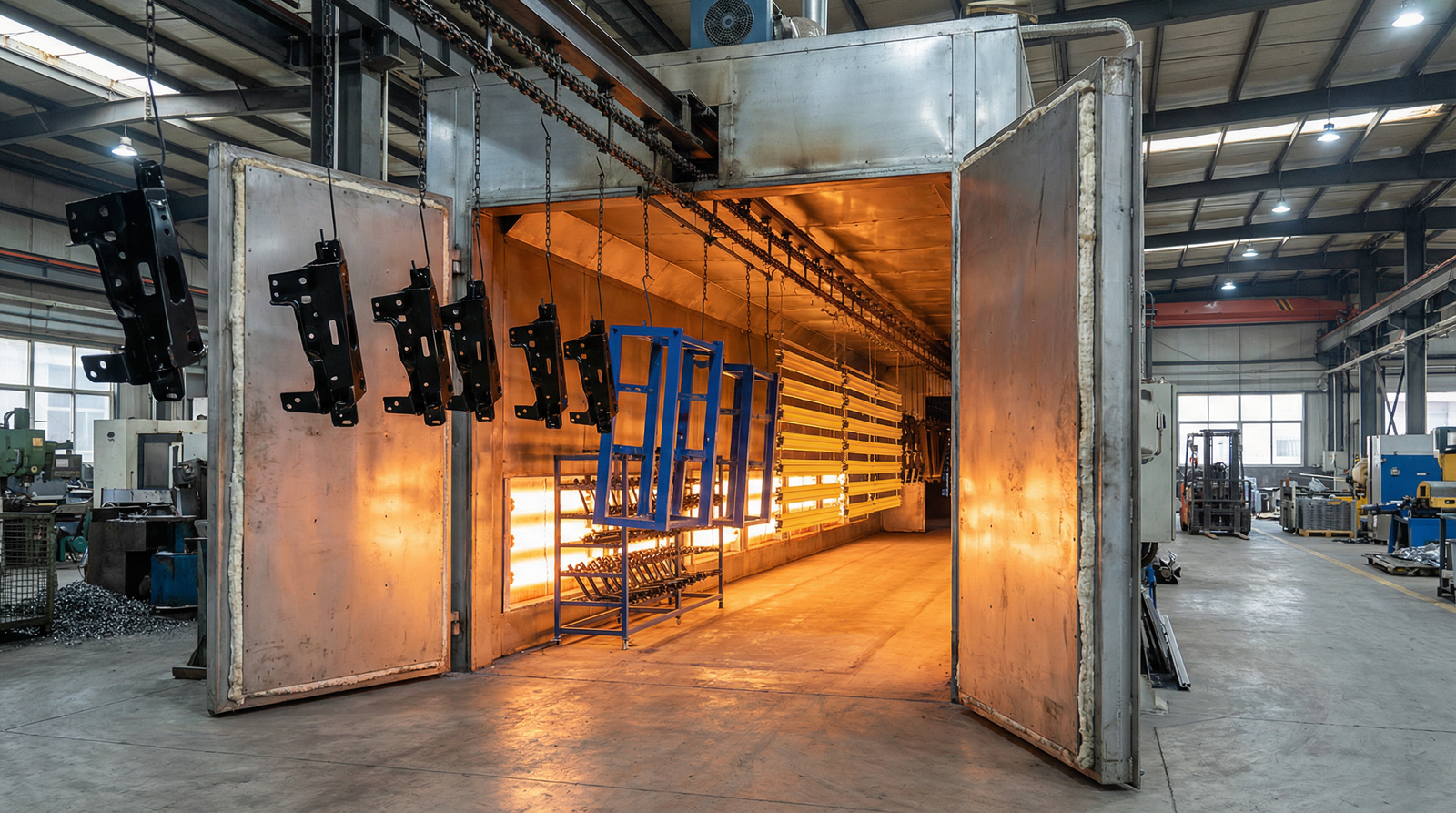
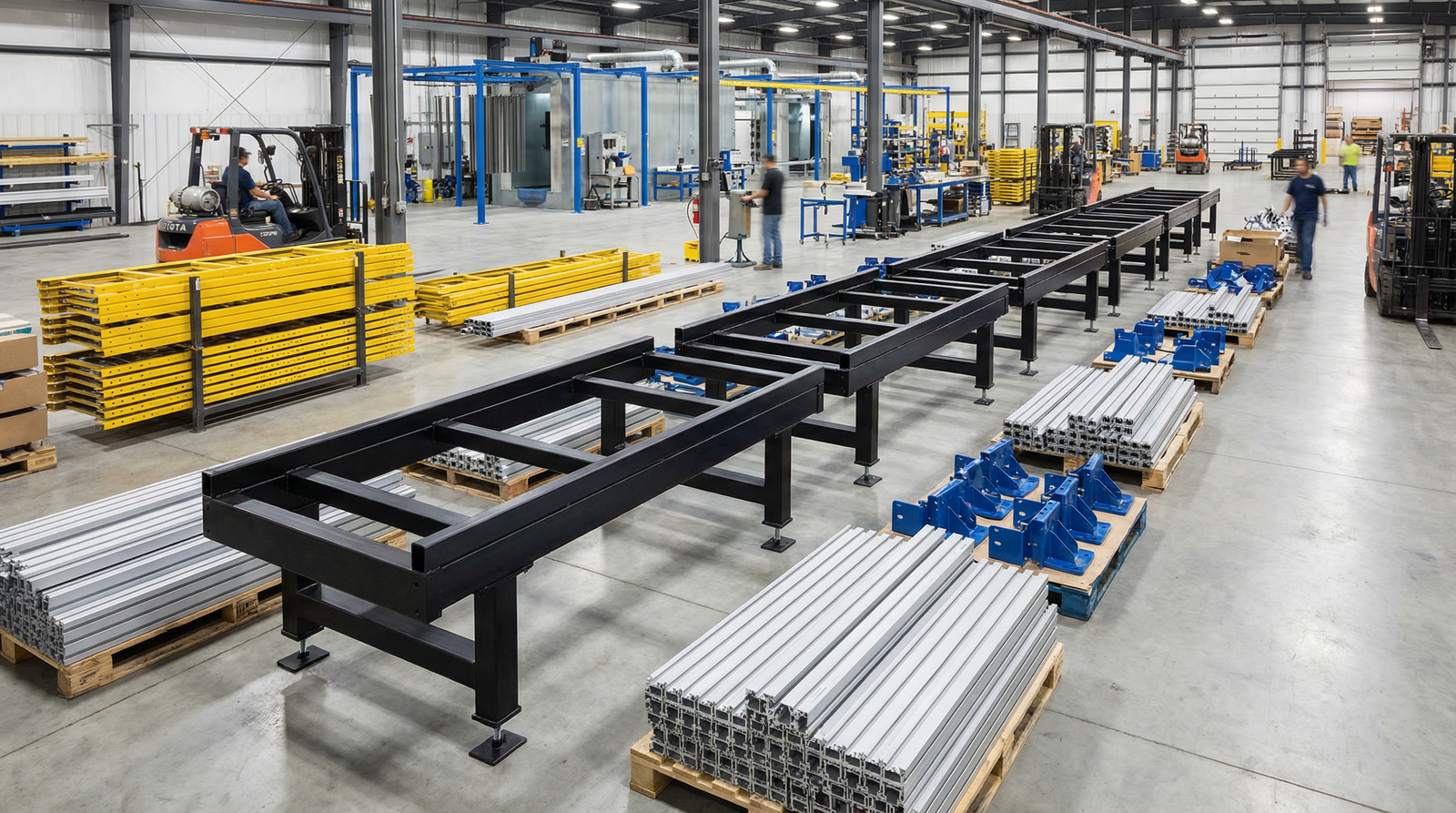
A repeatable finish starts with drawing review and surface preparation. Application is only one stage of the complete process.
Masking, tolerances and dimensional control
Powder coating adds film to exposed surfaces. The actual build varies with coating chemistry, application, part geometry, orientation, cure and inspection method. Do not assume a universal thickness for every project.
- Dimension critical mating features in the required finished condition.
- Mark threaded holes, precision bores, bearing seats and press-fit surfaces that require masking.
- Identify electrical grounding points, sealing faces and bonding areas that must remain conductive or coating-free.
- Define cosmetic Class A surfaces and acceptable inspection lighting or reference samples.
- Consider Faraday-cage areas such as deep recesses, internal corners and shielded features.
- Provide drainage and hanging considerations where part orientation affects preparation or coating.
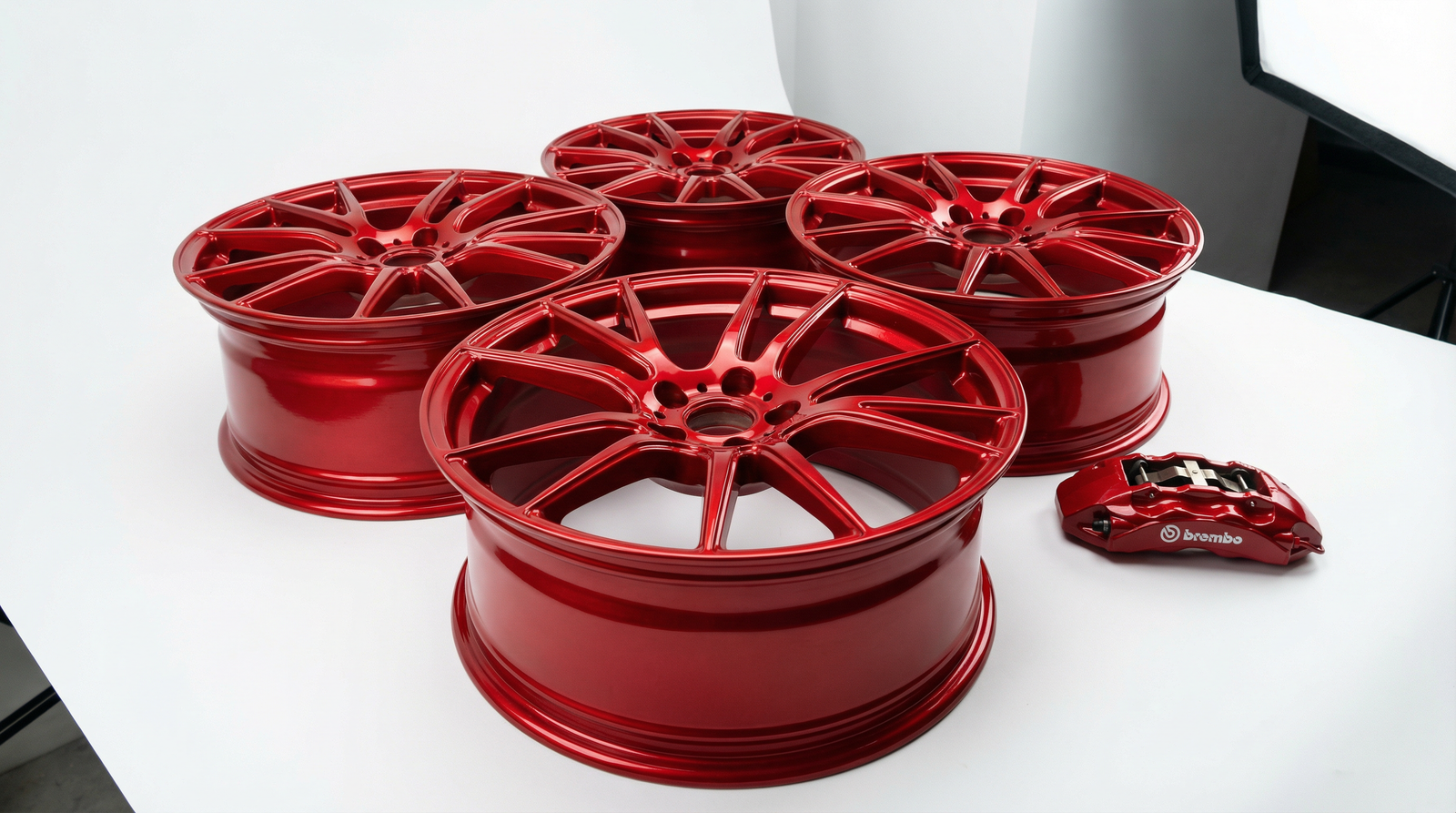
Color, gloss and texture options
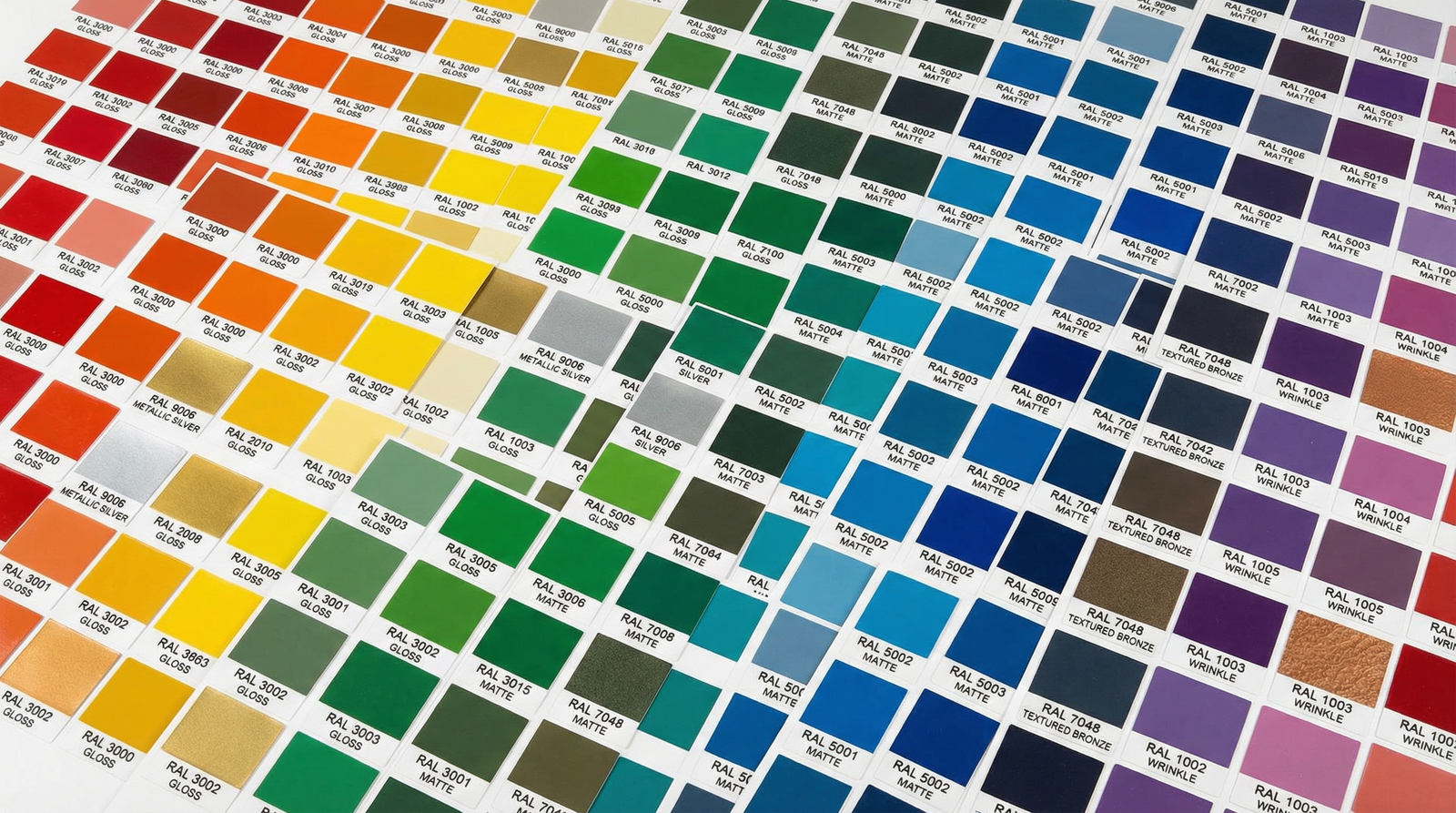
Common projects use a named powder product or a recognized color reference such as a RAL code. Matte, satin, semi-gloss, gloss, smooth and textured appearances may be available, depending on coating chemistry and order requirements.
A color code alone is not a complete cosmetic specification. Substrate, pretreatment, texture, gloss, film build, lighting and powder batch can influence perceived color. When appearance is critical, define the powder manufacturer and product code or approve a physical sample under agreed viewing conditions.
- State the color system and exact reference.
- Define gloss range or texture, not only the color name.
- Identify indoor, outdoor, UV, chemical or temperature exposure.
- Set an approved sample and cosmetic acceptance standard when needed.
Quality checks, lead time and cost drivers
Inspection and delivery planning should reflect the actual performance and appearance risks of the part. Requirements are agreed before production and quoted for the specific project.
| Decision area | What to specify | Why it matters |
|---|---|---|
| Visual inspection | Color, gloss, texture, cosmetic zones, viewing conditions and defect limits | Creates an objective appearance standard for buyer and supplier |
| Functional inspection | Critical finished dimensions, masked areas, coating build or adhesion test when required | Protects assembly, fit and performance |
| Lead time | Part quantity, machining load, powder availability, color change, pretreatment, masking, testing and approval samples | These factors determine the project schedule; lead time is confirmed after drawing review |
| Cost | Part envelope, surface area, batch size, handling, masking complexity, coating type, color and inspection plan | Explains why visually similar parts can have different unit costs |
Standard repeat colors and simple masking normally require less setup than custom matching, multiple colors, extensive plugs or tape, special pretreatment and project-specific testing. Share annual or batch volume when possible so fixturing, color-change and handling costs can be evaluated appropriately.
Need a delivery date you can plan around?
Upload the production files, quantity and finish specification. We will confirm a project-specific schedule with the quotation.
Why combine powder coating with CNC machining?
Finish-aware engineering
Machining allowances, masking and cosmetic zones can be reviewed before the first part is produced.
Fewer handoffs
Machining, fabrication, finishing, inspection and packaging are coordinated through one project contact.
Finished-part inspection
Requirements can be checked in the coated condition that reaches your assembly line.
Start with our CNC machining services for milled or turned components, or combine powder coating with sheet and tube fabrication. If a thinner conversion or oxide finish is more appropriate, compare aluminum anodizing, black oxide and bead blasting.
Questions buyers ask before ordering
Can aluminum and steel CNC parts be powder coated?
Yes, many aluminum and steel parts are suitable. The material grade, surface condition, pretreatment, part geometry, cure tolerance and required service performance must be reviewed before the coating system is confirmed.
Does powder coating change part dimensions?
Yes. The finish adds film to exposed surfaces. Threads, tight fits, bores, sealing faces, electrical contacts and other tolerance-sensitive features should be masked or designed for the finished condition.
What is the lead time for powder-coated parts?
Lead time is project-specific. It depends on machining or fabrication time, quantity, powder availability, color changes, pretreatment, masking complexity, inspection or test requirements and sample approval. A confirmed schedule is provided after drawing review.
Can you match a RAL color or approved sample?
Common RAL references and other powder products may be specified. For critical appearance, use a manufacturer and product code or approve a physical sample because gloss, texture, substrate and lighting affect perceived color.
What files are needed for a powder coating quote?
Provide a 3D CAD model, dimensioned drawing, material grade, quantity, color or powder reference, gloss or texture, cosmetic zones, masking notes, end-use environment, required tests and target delivery date.
Is powder coating always better than anodizing or liquid paint?
No. Powder coating is useful when a robust decorative polymer finish and broad color choice are priorities. Anodizing may better suit selected aluminum wear or dimensional requirements, while liquid coatings may suit heat-sensitive parts or very thin finish needs. Selection should follow the substrate, geometry and service specification.
Get a quote for machined and powder-coated parts
Upload your CAD files and drawings with the alloy, quantity, finish reference, masking requirements and delivery target. We will review manufacturability, coating risks and inspection needs before quoting.